




Role of hypoxia in MASLD
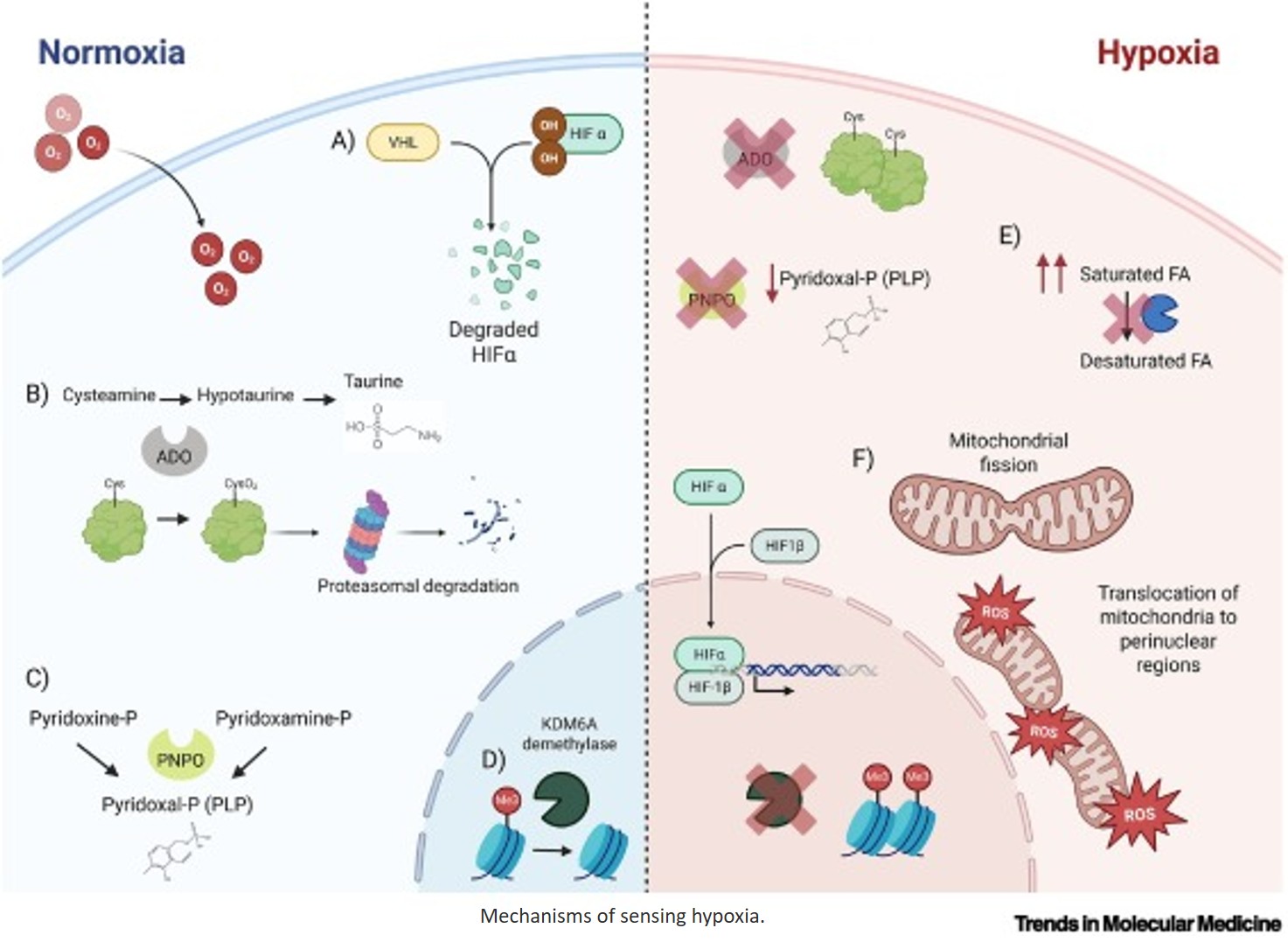
Oxygen gradient drives the liver’s zonated architecture, with metabolic dysfunction-associated steatotic liver disease (MASLD) lesions preferentially emerging in the hypoxic pericentral region.
In MASLD, architectural distortion and fibrosis intensify hypoxia, influencing liver injury, as oxygen levels serve as a spatial determinant of the hepatic response to injury.
In patients with metabolic syndrome, obstructive sleep apnoea leads to chronic intermittent hypoxia, exacerbating MASLD progression.
Canonical [hypoxia-inducible factor (HIF)-dependent] and emerging HIF independent oxygen-sensing pathways converge on lipid metabolism, inflammation, and fibrogenesis, implying that hypoxia shapes liver injury in MASLD.
Spatial omics will improve our understanding of the molecular responses to hypoxia in MASLD, which may enable better prognostication and spatially informed therapies.
https://www.cell.com/trends/molecular-medicine/fulltext/S1471-4914(25)00295-3