


Cellular mechanism behind muscle repair uncovered!
Scientists have discovered how muscle stem cells “flip a switch” to rebuild damaged muscle – a finding that could help address muscle loss linked to aging, injury and widely used weight-loss medications.
The study, published in Nature Metabolism, shows that muscle recovery is not just about protein or exercise. It depends on timing and how muscle cells use fuel.
Researchers learned that immediately after stress, muscle stem cells temporarily slow down energy production. Instead of burning glucose for energy, they reroute it into protective repair processes to produce antioxidants that reduce inflammation. Once repairs are complete, energy production ramps back up and new muscle fibers form and strengthen.
“Muscle metabolism isn’t simply about fueling growth; it’s about strategic recovery,” said the study’s corresponding author. “We found that muscle stem cells actively change how they use nutrients to protect themselves first, then rebuild. That metabolic timing is critical.”
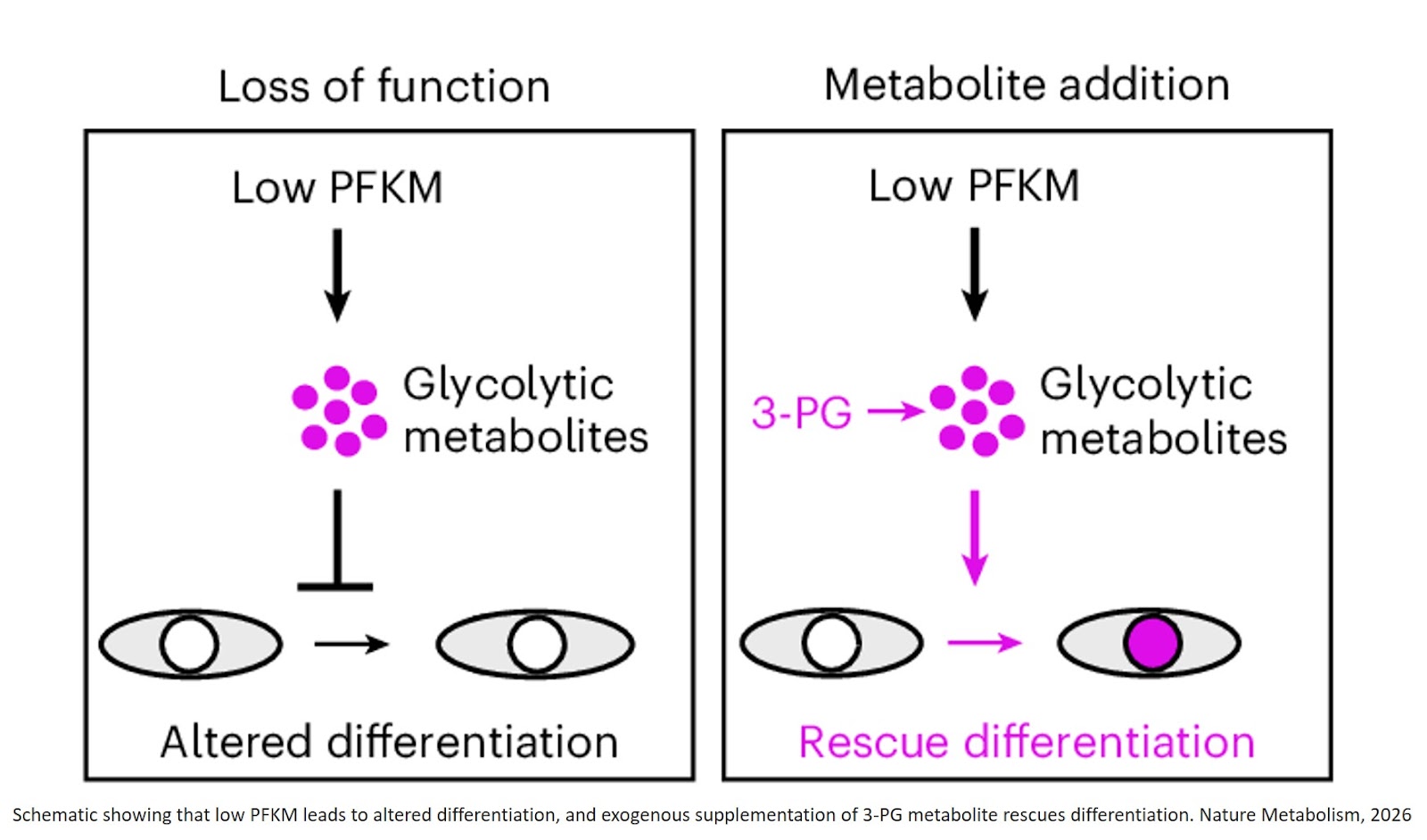
At the center of the discovery is an enzyme called PFKM, which helps control how cells process glucose. The team determined that cells deliberately reduce PFKM levels during early repair, creating a temporary metabolic pause. When PFKM returns, muscle building begins.
Importantly, the scientists showed that this process can be influenced. By supplying specific metabolic building blocks – nutrients that cells naturally produce later in recovery – they accelerated the transition from repair mode to growth mode in laboratory models.
The findings come as physicians and researchers grapple with increasing reports of lean muscle loss in patients using GLP-1-based weight-loss medications, as well as amid the broader challenge of age-related muscle decline.
“With the rapid rise of GLP-1 therapies and an aging population, preserving muscle mass has become a major health priority,” the author said. “Our work identifies a metabolic checkpoint that could one day be targeted to help people recover muscle more effectively.”