

ER architecture in liver metabolic regulation
Hepatocytes dynamically reprogram their metabolism in response to fasting and feeding. Impaired hepatic metabolic flexibility contributes to the development of diseases such as metabolic associated fatty liver disease.
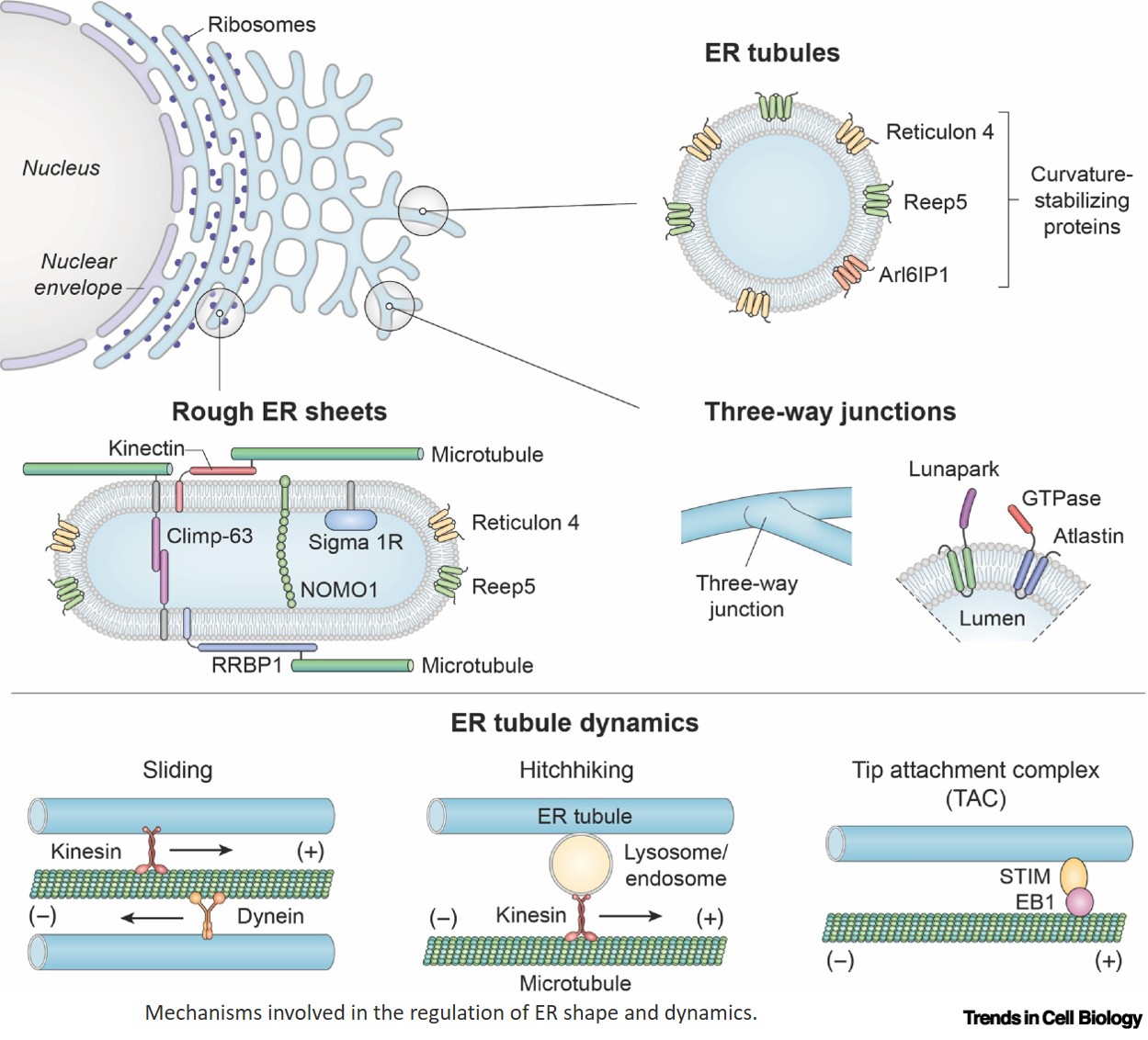
The hepatic endoplasmic reticulum serves as a central hub for lipid and glucose metabolism, as well as protein synthesis and secretion. These processes are spatially organized within distinct endoplasmic reticulum subdomains, such as sheets and tubules, enabling functional compartmentalization.
The architecture of the hepatic endoplasmic reticulum is spatially zonated across the liver lobule. This organization is dynamically regulated by nutritional states, such as fasting, feeding, and overnutrition.
Remodeling of endoplasmic reticulum shape directly impacts lipid metabolism, influencing processes such as fatty acid oxidation, phospholipid and cholesterol trafficking, lipid droplet biogenesis, and very-low-density lipoprotein assembly and secretion.
https://www.cell.com/trends/cell-biology/fulltext/S0962-8924(26)00035-8
https://sciencemission.com/Endoplasmic-reticulum-architecture