

Mitochondrial Function in Fibroblasts from a Patient with Congenital NAD Deficiency due to Biallelic NADSYN1 Variants
Annual Clinical Genetics Meeting, March 2026
Bianca Seminotti, PhD, MS, Clinical Biochemical Genetics Fellow, UPMC Children's Hospital of Pittsburgh, Bianca Seminotti, PhD, MS, Kaitlyn Bloom, PhD, Mora Ghattes, Student, Kara Sampson, Julia P. Keisling, Raelynn K. Forsyth, MD, Steven F. Dobrowolski, PhD, Jerry Vockley, MD, PhD, FACMG
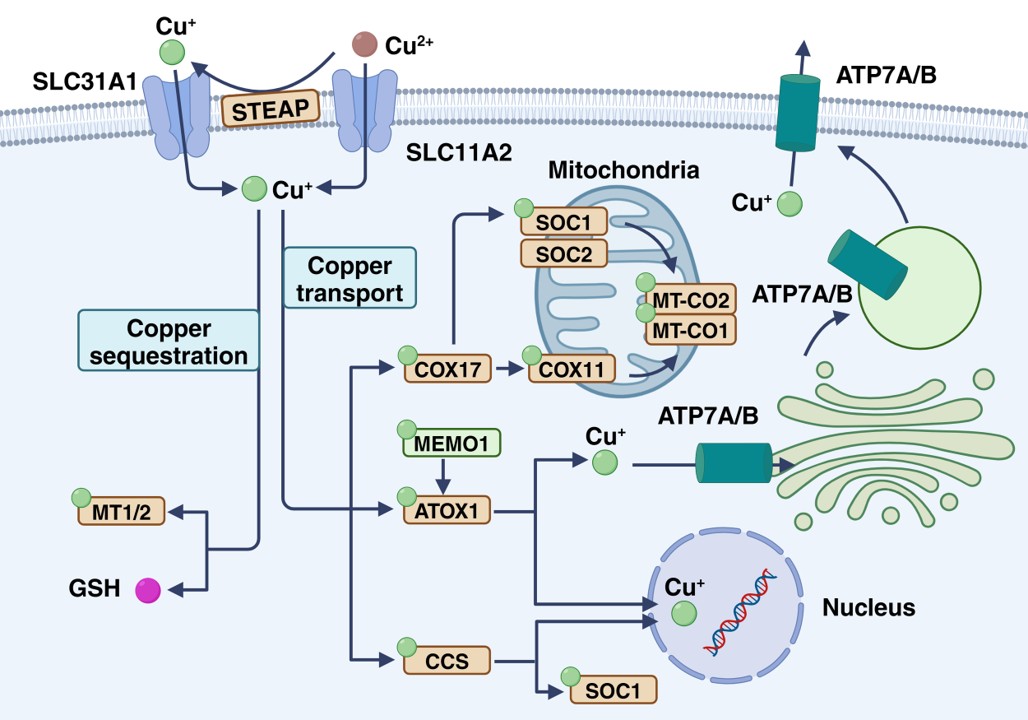
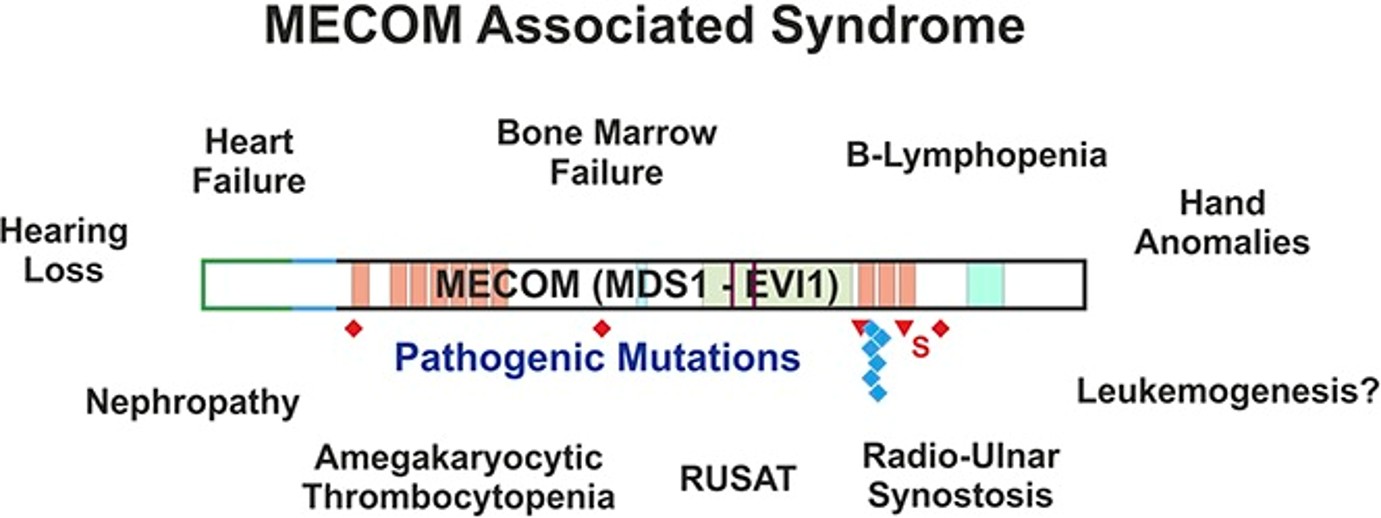
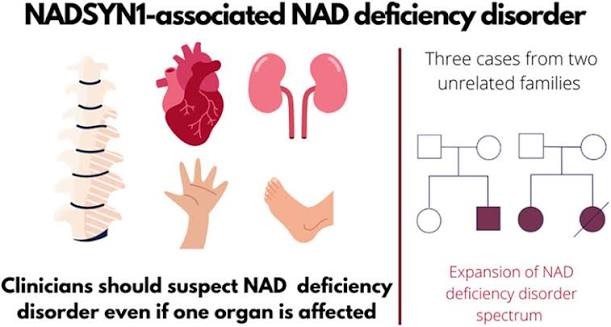
Introduction: Inborn errors of nicotinamide adenine dinucleotide (NAD+) metabolism are a very rare group of disorders that includes NAD synthetase 1 (NADSYN1) deficiency (OMIM #608285), as well as 3-hydroxyanthranilate 3,4-dioxygenase (HAAO) deficiency, kynureninase (KYNU) deficiency and nicotinamide mononucleotide adenylyltransferase 1 (NMNAT1) deficiency. These disorders can be clinically heterogeneous though cardiac, renal, vertebral, and limb anomalies mimicking VACTERL association are the characteristic features that individuals who have biallelic pathogenic variants in NADSYN1, HAAO, and KYNU genes have in common. NADSYN1 is a cytosolic enzyme that catalyzes the conversion of nicotinic acid adenine dinucleotide (NAAD+) to NAD+. NAD is an important cellular cofactor that plays a vital role in energy metabolism. Therefore, regulation of the NAD+ pool is a vital underpinning of normal cellular functioning.
Methods: Mitochondrial function was assessed in fibroblasts from a 14-month old patient with a clinical diagnosis of NADSYN1 deficiency based on presentation with congenital cardiac, skeletal, and renal anomalies with molecular testing showing biallelic variants in the NADSYN1 gene (c.1717G>A, p.Ala573aThr; c.85+3_85+6del). Fibroblasts from healthy adults served as controls. Cells were exposed to two types of culture media for 24, 48 and 72 hours: 1) media without glucose, to assess their ability to accommodate energy source shift from glucose to fatty acids; and media lacking tryptophan (Trp) and nicotinamide (NAM), to induce NAD+ depletion. Oxygen consumption rate (OCR), glycolytic rate and superoxide production were measured with Seahorse Bioanalyzer oximetry and MitoSox Red dye, respectively.
Results: NADSYN1-deficient patient fibroblasts showed decreased maximal respiration and spare capacity OCR when compared to control fibroblasts, after exposure to media without glucose and media lacking Trp and NAM for 48 and 72h. In contrast, basal respiration and adenosine triphosphate (ATP)-linked OCR were higher in patient fibroblasts under the same culture conditions. Compensatory glycolysis was lower in deficient cells under regular conditions and after culturing cells in the adapted conditions for 24 and 48h. Finally, superoxide levels were increased in NADSYN1-deficient cells, in both regular culture conditions and after exposing cells to media without glucose, Trp and NAM for 48h.
Conclusion: These findings provide evidence that NADSYN1 deficiency associated with stressful bioenergetic conditions, glucose absence, and Trp/NAM depletion, can induce mitochondrial bioenergetic dysfunction in fibroblast cells from an affected individual. Under regular cellular conditions, mitochondrial respiration in NADSYN1-deficient cells was similar to that of controls, despite presenting with a lower glycolytic rate and increased superoxide production. The relationship between these biochemical abnormalities and the congenital malformations observed in patients remains to be elucidated.