

Nutrient stress in DNA damage
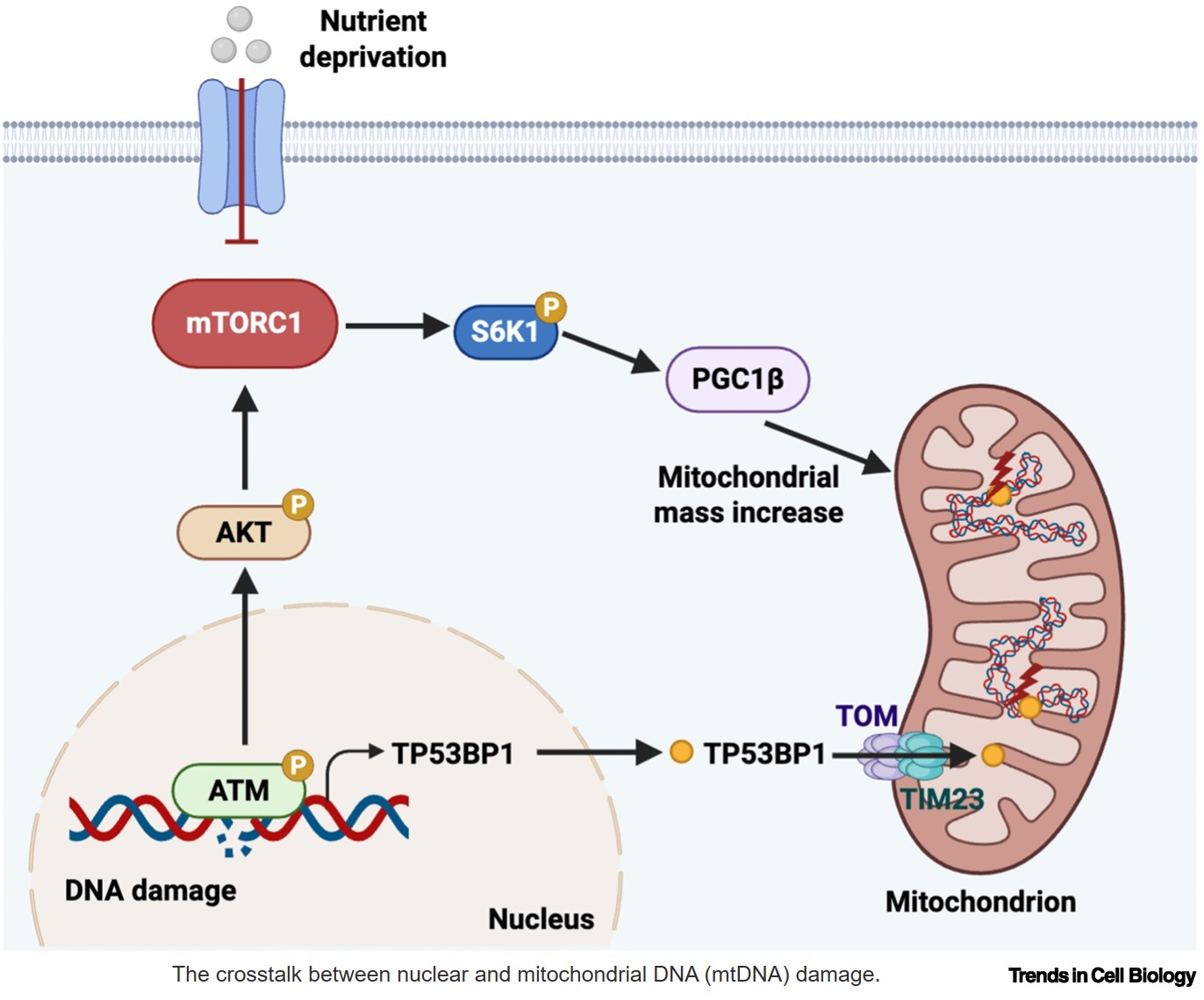
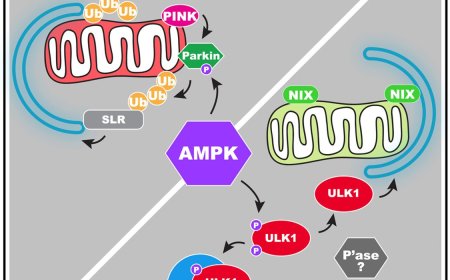
The dynamic interplay between nutrient stress and DNA damage governs cellular survival through coordinated regulation of genomic integrity and metabolic adaptation. Nutrient deprivation, such as glucose or amino acid limitation, engages nutrient sensors, including AMPK and mTORC1, to rewire energy homeostasis while directly influencing DNA repair via regulating PARP1, BRCA1, and other core repair machinery.
DNA damage-activated kinases (ATM/ ATR) orchestrate metabolic reprogramming to fuel repair processes, enforcing context-dependent cell fate decisions via cell cycle arrest or apoptosis regulation.
Nutrient stress exacerbates genomic instability through depleting antioxidants, such as NADPH or glutathione (GSH), promoting oxidative DNA lesions that overwhelm repair capacity, while defective DNA repair conversely drives metabolic dysregulation in tumors.
In the future, more efficacious tumor therapeutic strategies propose combining targeted nutrient stress with DNA damage repair inhibitors to exploit synthetic lethality. However, clinical translation requires resolving key challenges including tumor heterogeneity in nutrient stress-response pathways and adaptive metabolic plasticity during therapy.
https://www.cell.com/trends/cell-biology/fulltext/S0962-8924(25)00182-5