

Pharmacomicrobiomics in colorectal cancer therapy
The gut microbiome is a major source of interindividual variability in response to colorectal cancer therapy.
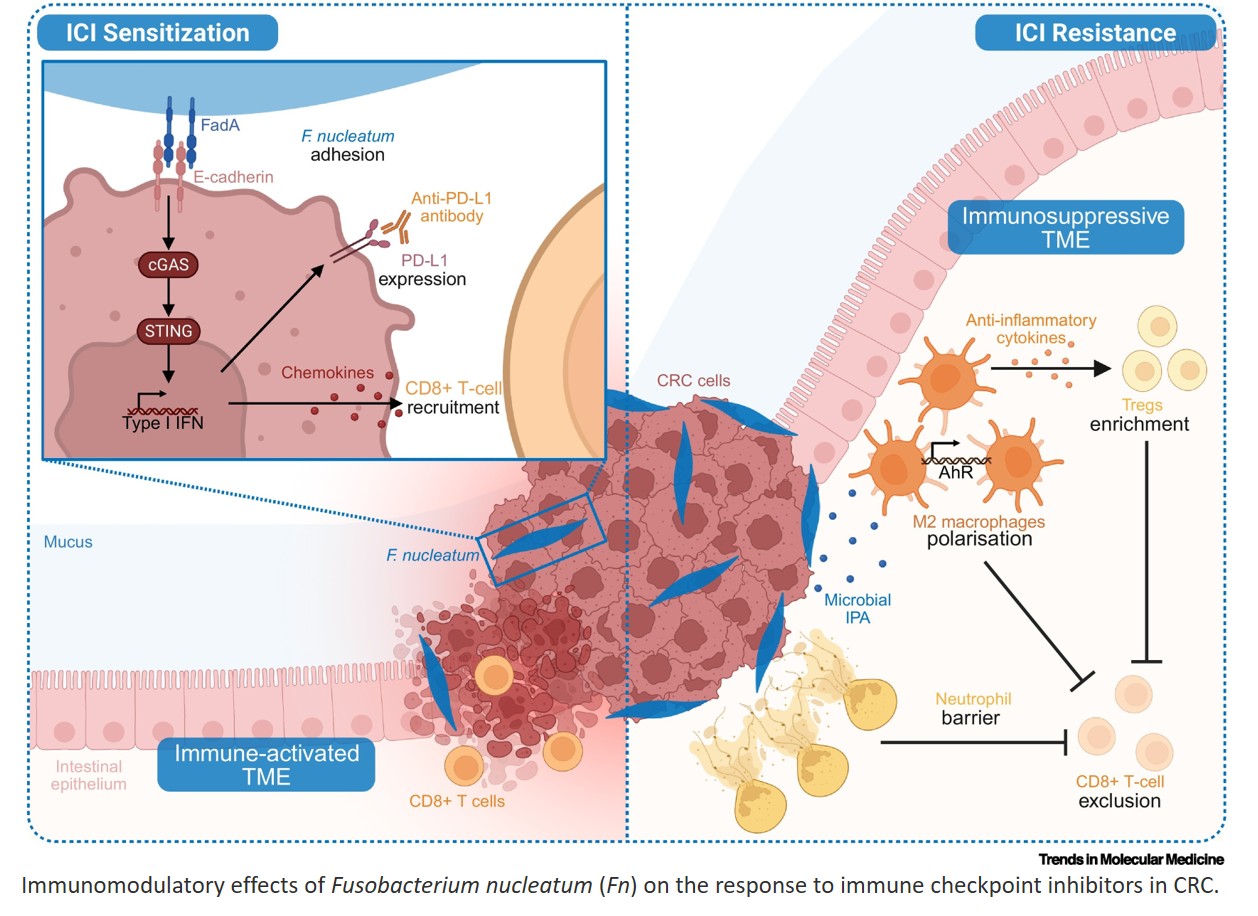
Microbial enzymes, including preTA reductases and β-glucuronidases, can reshape 5-fluorouracil and irinotecan exposure, efficacy, and toxicity. Tumor-associated microbes, such as Fusobacterium nucleatum, promote chemoresistance by rewiring tumor and immune signaling.
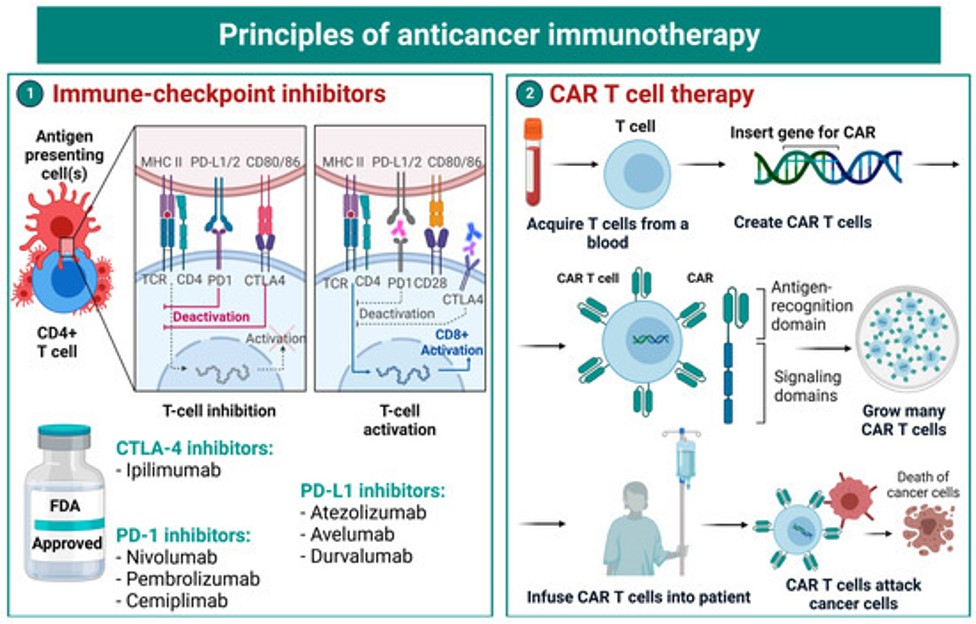
The gut microbiome modulates antitumor immunity and influences the response to programmed death-1/ programmed death-ligand 1 checkpoint blockade in colorectal cancer.
Microbiota-derived metabolites, including short-chain fatty acids, indoles, and bile acids, reshape host drug metabolism, tumor signaling, and antitumor immunity.
Early clinical studies indicate that fecal microbiota transplantation can alter immunotherapy outcomes, supporting microbiome-informed precision oncology.
https://www.cell.com/trends/molecular-medicine/fulltext/S1471-4914(26)00176-0
https://sciencemission.com/pharmacomicrobiomics-in-colorectal-cancer