

Increased astrocyte cholesterol is linked to amyloid-β-driven glymphatic dysfunction in Alzheimer’s disease
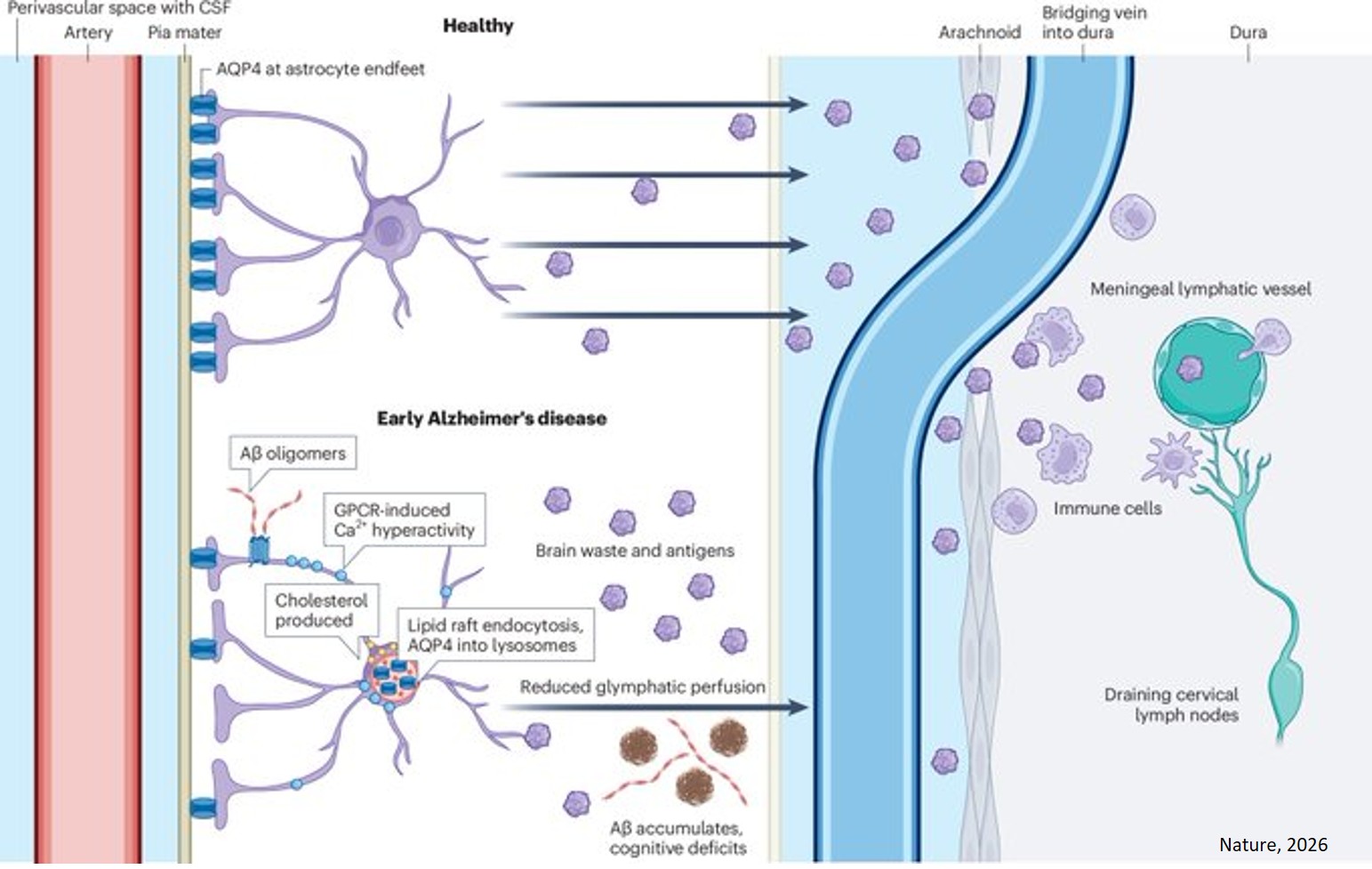
Alzheimer’s disease (AD) pathogenesis involves glymphatic system and meningeal lymphatic drainage pathway disruptions, but the underlying mechanisms is not well understood. In mouse models of AD, early calcium dynamics disruption is also observed.
The researchers in this study demonstrate an association between elevated Ca2+ dynamics and glymphatic dysfunction in astrocytes of AD mouse model.
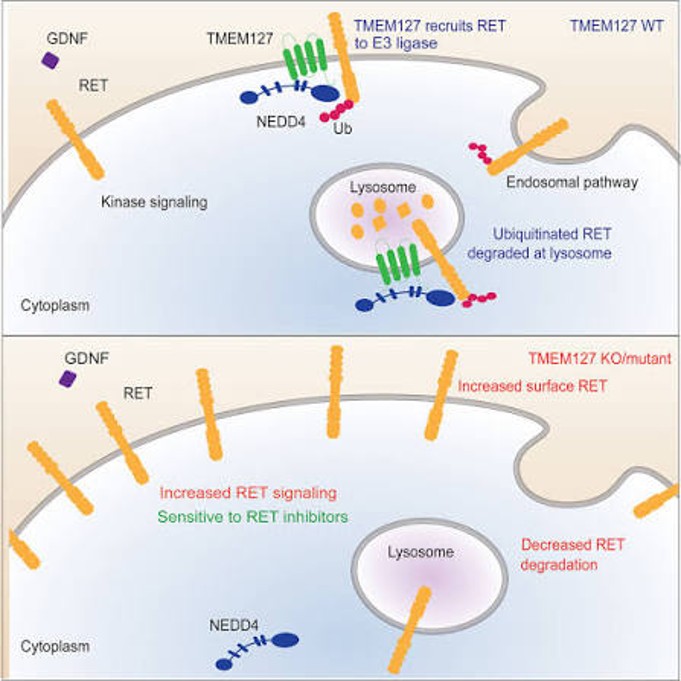
The authors show that Ca2+ hyperactivity increases cholesterol synthesis in astrocytes, leading to increased aquaporin-4 (AQP4) endocytosis and relocalization to lysosomes, thereby disrupting AQP4 polarity and glymphatic function. By suppressing cholesterol synthesis in astrocytes, the authors were able to improve glymphatic perfusion, meningeal lymphatic drainage and cognition performance in a mouse model.