

Signaling pathway controlling brain development timing identified!
Researchers have uncovered a critical signalling pathway that controls the timing of brain development, shedding new light on how neurodevelopmental disorders may develop.
The research published in Nature Communications, has revealed the genetic processes that shape brain development and what can happen when they become disrupted. Some paediatric high-grade gliomas (pHGGs), an aggressive type of brain and spinal cord tumor in children and adolescents, are believed to develop when neural stem cells stop maturing unexpectedly.
The author said the findings help to explain how the brain builds its complex network of cells during development.
“The brain develops rapidly before birth, and cells must receive the right instructions at the right time in order to move to the correct place to develop properly,” the author said. “We have uncovered new clues about one of the brain’s most important developmental switches.”
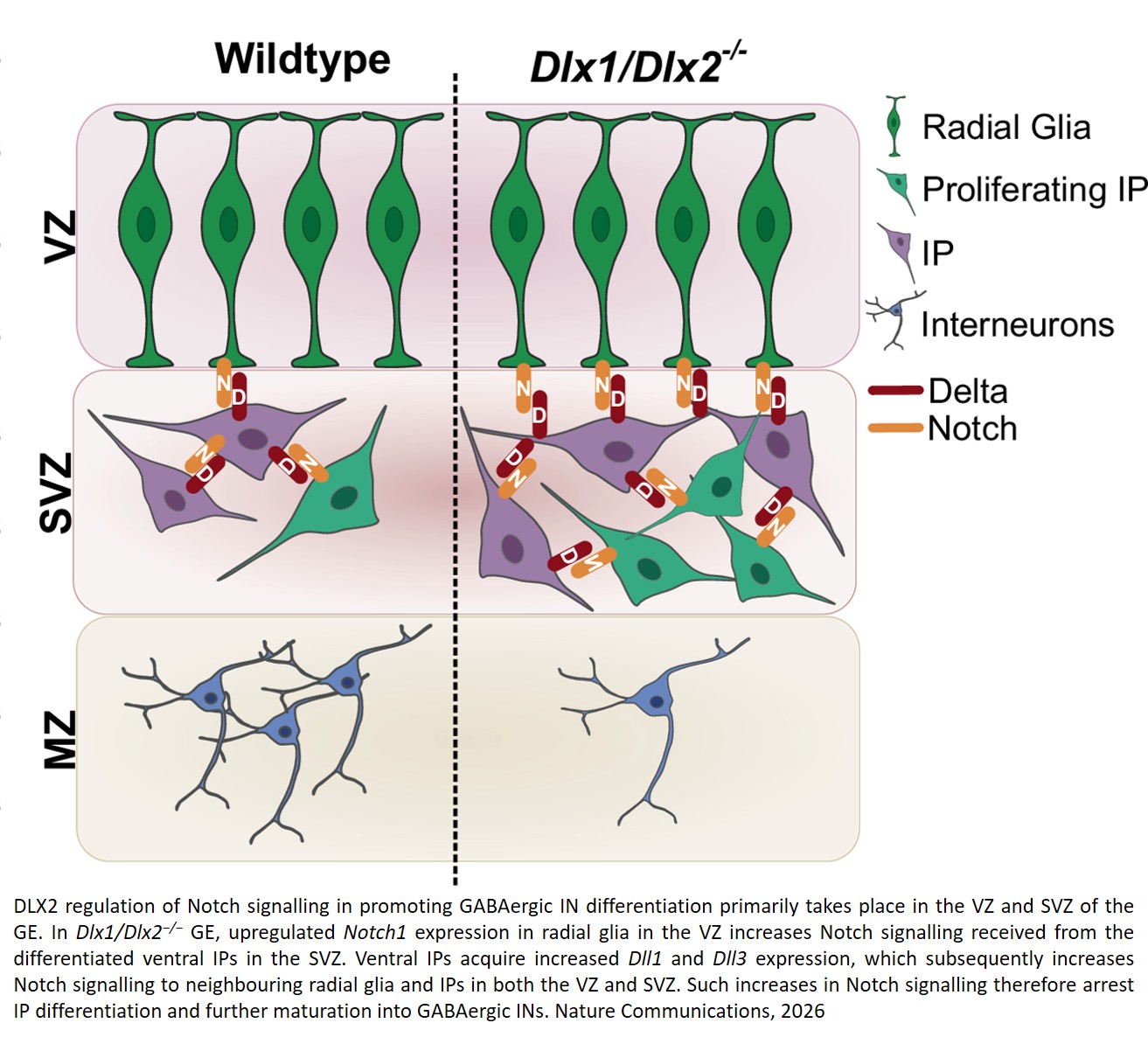
Using cutting-edge genomic techniques, the researchers tracked how thousands of genes shape the developing brain. They used mice genetically engineered to lack DLX1 and DLX2, two key genes that control how cells form, move, and survive in the brain.
“We discovered that the gene DLX2 acts like a traffic controller during early brain development, ensuring young brain cells become neurons at the right time while preventing them from prematurely developing into specialised support cells that help neurons function properly,” the author said. “When these genes were removed, we saw changes in how these cells developed and where they were located in the brain. “The team also found previously unidentified subregions of the developing forebrain, revealing how the location of cells impacts the way they grow.”
“While the research focused on normal brain development, it sheds light on the molecular pathways that control how brain cells develop and specialise,” another author said. “Many of these same pathways are known to be disrupted in childhood brain tumors, including high-grade gliomas, making them important areas for future research and ultimately around work into improving treatment options.”
https://www.nature.com/articles/s41467-026-76838-0
https://sciencemission.com/DLXNotch-axis-27374