

Brain dysfunction from micro- and nanoplastics
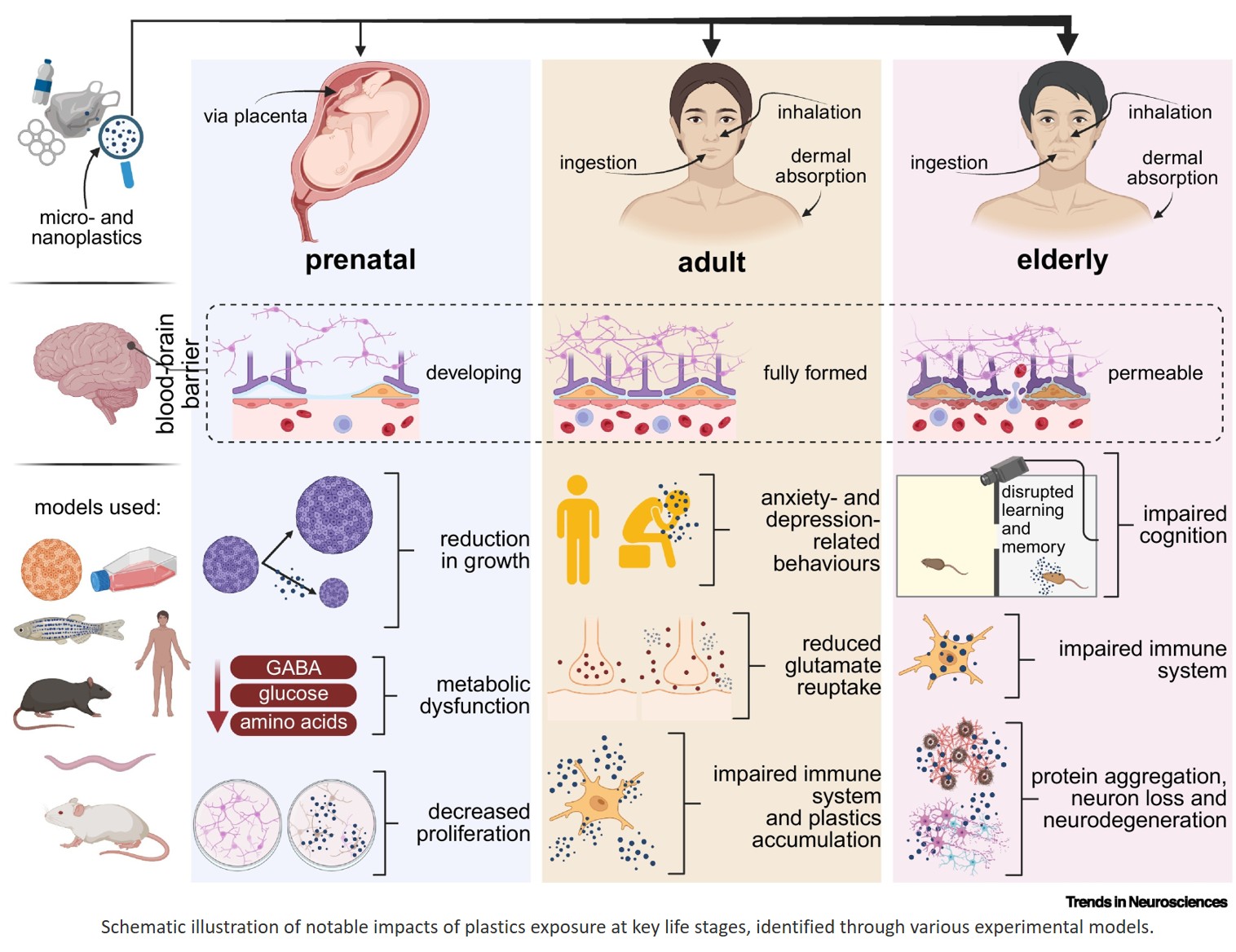
Plastic particles are increasingly prevalent in the environment and may pose a risk of neurological dysfunction.
Various types of micro- and nanoplastics can cross biological barriers, such as the placenta and blood–brain barrier, and accumulate in the brain. Early development and periods of barrier dysfunction represent windows of vulnerability.
Plastic particles interact with central nervous system physiology, altering metabolic processes, dysregulating the immune system, and disrupting glial and neuronal cell functions.
Persistent hyperactivation of the immune system by plastic particles may give rise to and exacerbate immune-related neurological conditions, including anxiety, depression, and neurodegeneration.
Characteristics of plastic particles affect their biological interactions and toxicity, including their ability to bind pathological proteins and form harmful aggregates.
https://www.cell.com/trends/neurosciences/fulltext/S0166-2236(26)00007-X