




Molecular and cellular signatures of regular exercise in human peripheral blood
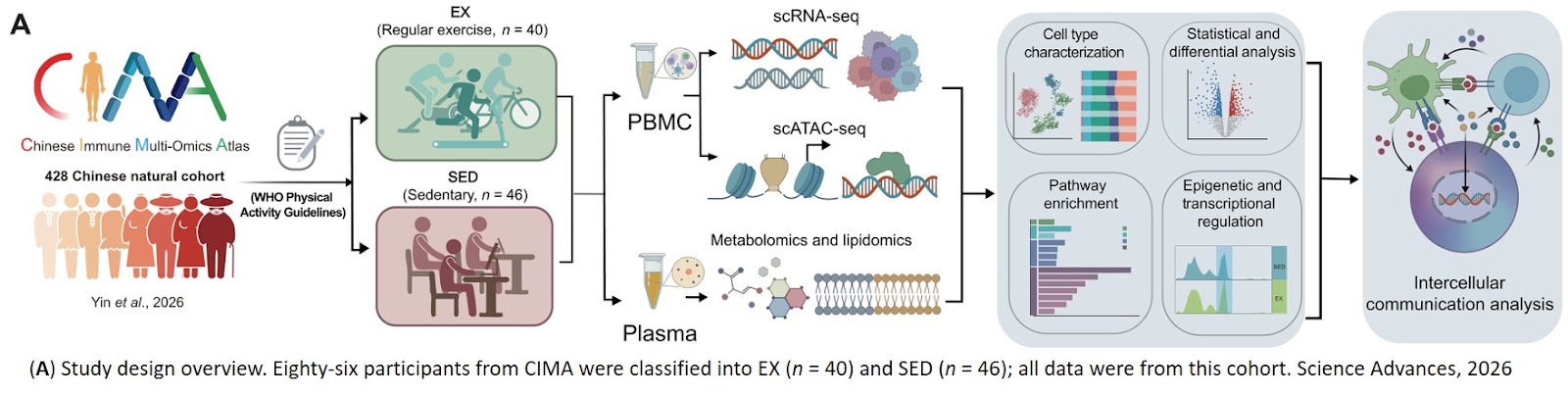
A multiomics study published in Science Advances has mapped the exact systemic, cellular, and epigenetic changes that occur in the human body as a result of regular exercise.
Leveraging data from the Chinese Immune Multi-omics Atlas (CIMA) cohort, researchers analyzed over 1.3 million blood cells alongside plasma profiles from young, healthy adults. They directly compared individuals logging regular exercise (meeting WHO physical activity targets) against sedentary controls to identify how consistent exercise physically remodels both metabolism and the immune system.
Exercisers showed highly elevated levels of specific fat-burning molecules, such as O-adipoylcarnitine and 3-hydroxybutyrate, signaling optimized lipid utilization. Regular exercise was correlated with a widespread reduction in circulating, atherogenic triglycerides and elevated plasma levels of protective metabolites like betaine, reinforcing the body's natural defense against oxidative stress.
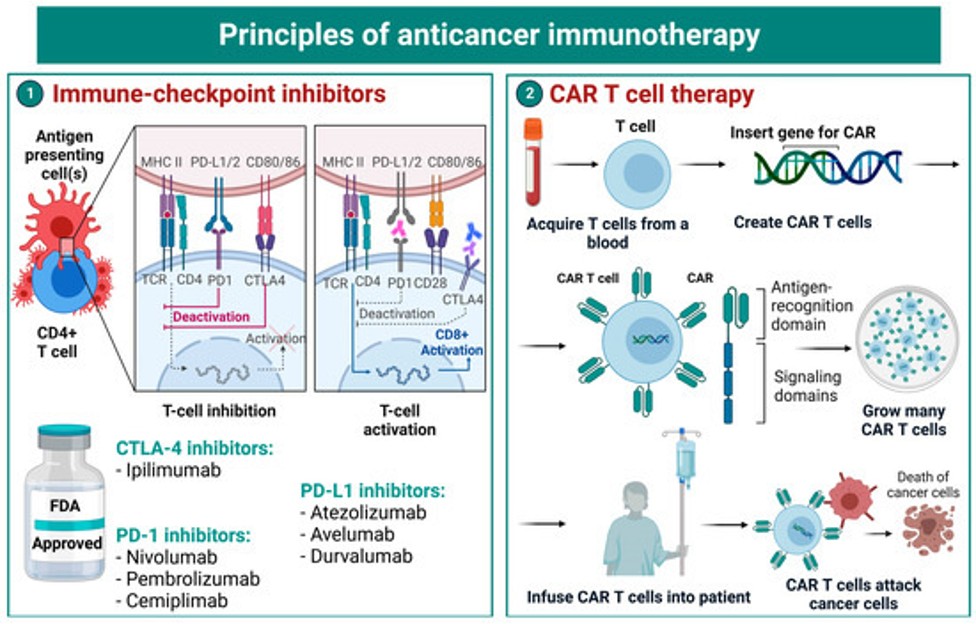
Antigen-presenting cells (APCs)—specifically classical monocytes, naive B cells, and switched memory B cells—exhibited a synchronous boost in both chromatin accessibility and transcription for genes governing antigen presentation in exercisers. In CD8+ cytotoxic T cells and mature natural killer (NK) cells, exercise induced an epigenetic "pre-activation" or priming of crucial effector function regulators, allowing the immune system to stand ready against pathogens or aberrant cells. Intercellular communication modeling showed that regular activity significantly enhances major histocompatibility complex (MHC-I/II) signaling between APCs and T cells while heavily suppressing standard systemic inflammatory networks.
https://www.science.org/doi/10.1126/sciadv.aeh0260
https://sciencemission.com/cellular-signatures-of-regular-exercise