

REDOX PROTEOMICS REVEALS A RECIPROCAL REDOX-METABOLIC COUPLING THAT REGULATES CIRCADIAN CLOCK
SEB ANNUAL CONFERENCE, FLORENCE -2026
Jing Yang (National Center for Protein Sciences (PHOENIX Beijing), China
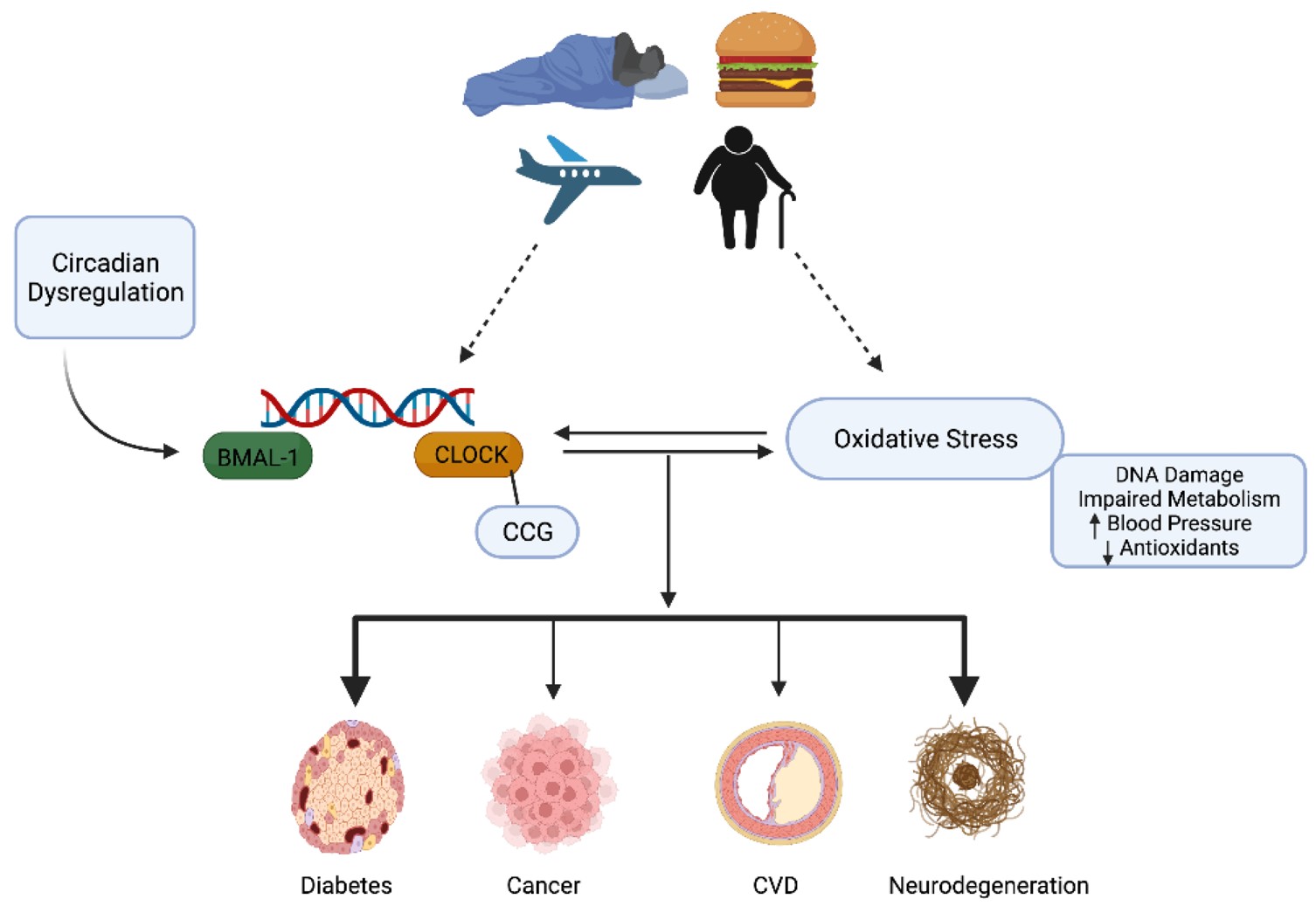
Metabolic adaptability is crucial for all organisms to maintain fitness in a constantly changing environment. As one of the fundamental principles of metabolic regulation, circadian rhythmicity is currently thought to depend upon the only known transcription-translation feedback loops (TTFLs) in eukaryotes. However, whether there is a more fundamental circadian oscillator depending upon metabolism in cells was unknown. In this talk, I will introduce a non-transcriptional metabolic oscillator composed of a metabolism-redox feedback loop (MRFL). Global portrayal of the hepatic rhythmic redox proteome revealed that over600 proteins, including NAMPT, are subject to rhythmic redox regulation, constituting the MRFL outputs. Combining with a CRISPR screening strategy, we discovered a basal metabolic enzyme that is not only crucial for H2O2 (a key redox signalling molecule) oscillations but also rhythmically regulated by H2O2-mediated cysteine oxidation in turn, thereby functioning as a core component of MRFL. More importantly, the MRFL is essential for normal redox proteome homeostasis, transcriptional rhythms, metabolic oscillations, and circadian behaviors in mice. Thus, our results define the MRFL as a metabolism-based fundamental mechanism underlying biological clocks and provide a new perspective for the treatment of clock-associated physiological and metabolic disorders.