


PROTECTIVE EFFECT OF ENHANCED MITOCHONDRIAL TURNOVER BY POTENT SMALL MOLECULE INHIBITOR OF USP14
SEB ANNUAL CONFERENCE, FLORENCE -2026
Elena Ziviani (University of Padova, Italy), Raffaele Montuoro (University of Padova, Italy), Bernardo Greta (University of Padova, Italy), Prado Miguel A. (Inst Invest Sanitaria Principado Asturias ISPA, Spain), Giacomo Giacchin (University of Padova, Italy), Valeria Balmaceda (University of Padova, Italy), Carlo Viscomi (University of Padova, Italy), Manisurya Kumar (Harvard Medical School, United States), Byung Hoon Lee (DGIST, Korea (South)), Daniel Finley (Harvard Medical School, United States)
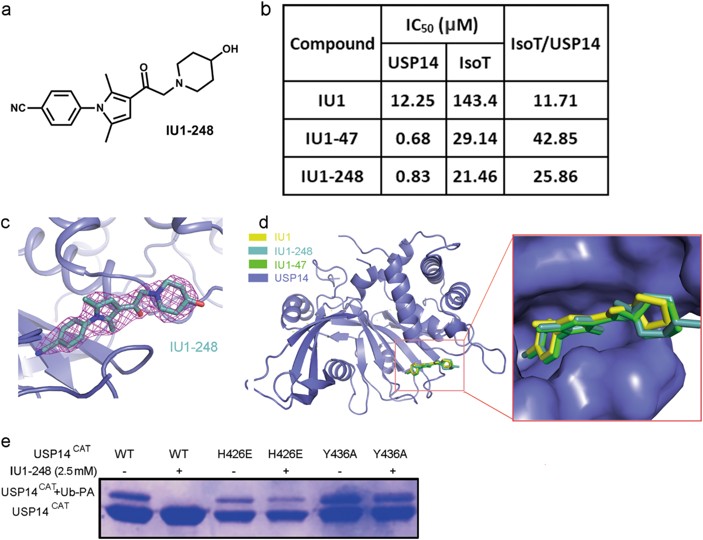
Mitochondrial diseases represent a heterogeneous group of genetic disorders caused by defects in oxidative phosphorylation. Mutations affecting either nuclear or mitochondrial DNA lead to impaired mitochondrial function and energy failure, resulting in a broad spectrum of clinical manifestations. At present, effective therapies remain elusive, and current treatments are mainly supportive. Recent studies have highlighted the potential of modulating mitophagy as a therapeutic strategy. Mitophagy relies on the coordinated activity of the UPS and autophagy pathway, which together ensure the removal of damaged organelles. Among the molecular regulators linking these systems, the proteasome-associated deubiquitinating enzymeUSP14 plays a central role. Our previous work demonstrated that pharmacological inhibition of USP14 exerts a protective effect in models of mitochondrial dysfunction by restoring mitochondrial morphology and function through enhanced mitophagy. More recently, we found that USP14 inhibition enhances mitochondrial biogenesis and promotes mitophagy in iNeurons, restoring mitochondrial respiration and membrane potential of Parkin KO iNeurons. We want now to investigate whether targeting USP14 with an optimized derivative of IU1 could ameliorate the pathological phenotype of a muscle-specific Cox15 KO mouse model characterized by defective cytochrome c oxidase and severe myopathy. To this aim, we treated the mice with IU1-366 to inhibit USP14, and, at the end of the treatment period, quadriceps and gastrocnemius muscles were rapidly dissected for subsequent morphological and molecular analyses. Muscle analysis indicates that USP14 inhibition ameliorates skeletal muscle morphology in Cox15 KO mice, accompanied by a stabilization of cytochrome c oxidase, suggesting a beneficial effect on mitochondrial structure and function.