


Sudden cardiac death condition with linked genetic variations
In a study published in Nature Communications, a multi-disciplinary team of researchers have uncovered new insights into how “spelling mistakes” in our DNA contribute to hypertrophic cardiomyopathy (HCM), a leading cause of sudden cardiac death worldwide.
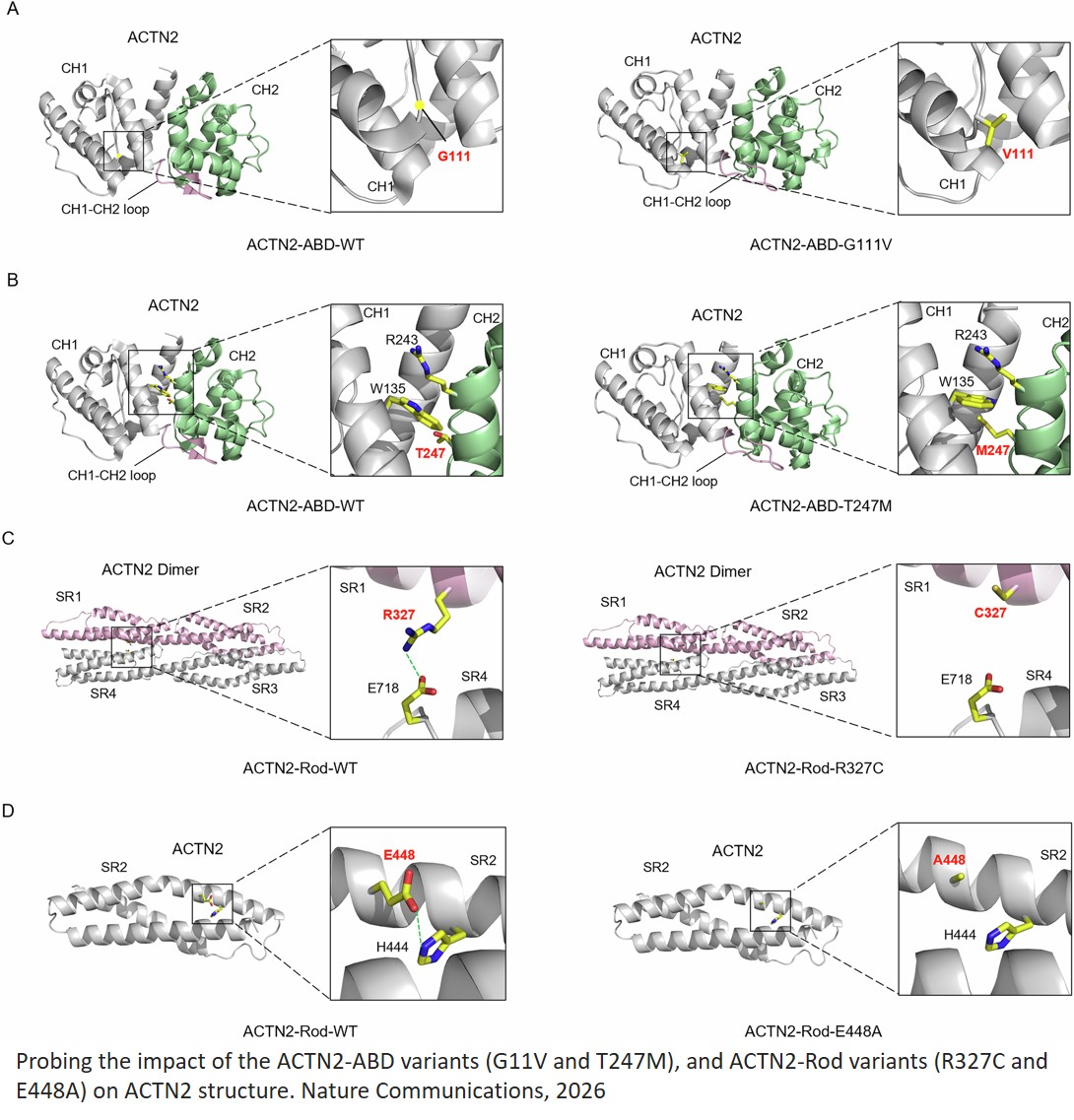
“Spelling mistakes” in a protein called alpha-actinin-2 or ACTN2 have previously been identified for their role in the disease, but they have not addressed how these errors lead to cardiac arrest. This study found that 17 of the spelling mistakes in ACTN2 are linked to HCM, and that they affected the protein in different ways.
In the study, structural and cell biologists teamed up to investigate 17 mistakes in ACTN2 using a range of experimental methods and found that they affect the protein in several different ways. Some errors made the protein less stable, more likely to clump together, or less able to interact with other molecules.
Researchers have also found that these spelling mistakes have different effects depending on where they are located within ACTN2. In particular, a critical region called the Actin Binding Domain (ABD), which helps ACTN2 interact with other parts of cells and is important for major cell processes, was identified as a key hotspot for changes caused by these spelling mistakes.
Actin-binding assays for ABD variants confirm altered actin engagement suggesting that binding dynamics may drive pathogenicity. Reduced structural stability across variants may lead to a strong propensity for aggregation. They also demonstrate early aggregation onset in selected ABD variants at elevated temperatures.
Corresponding author commented: “Hypertrophic cardiomyopathy often affects otherwise fit and healthy individuals, and the effects of the condition can be devastating, as seen in the cases of high-profile footballers such as Mark-Vivian Foe who sadly died in competition. The findings will help us and other researchers worldwide to find potential ways to address these genetic weaknesses and better understand how these proteins are literally reshaping the heart of people with this condition.”
https://www.nature.com/articles/s41467-026-75392-z
https://sciencemission.com/alpha-actinin-2-variants