



Transposable elements in neurodevelopment
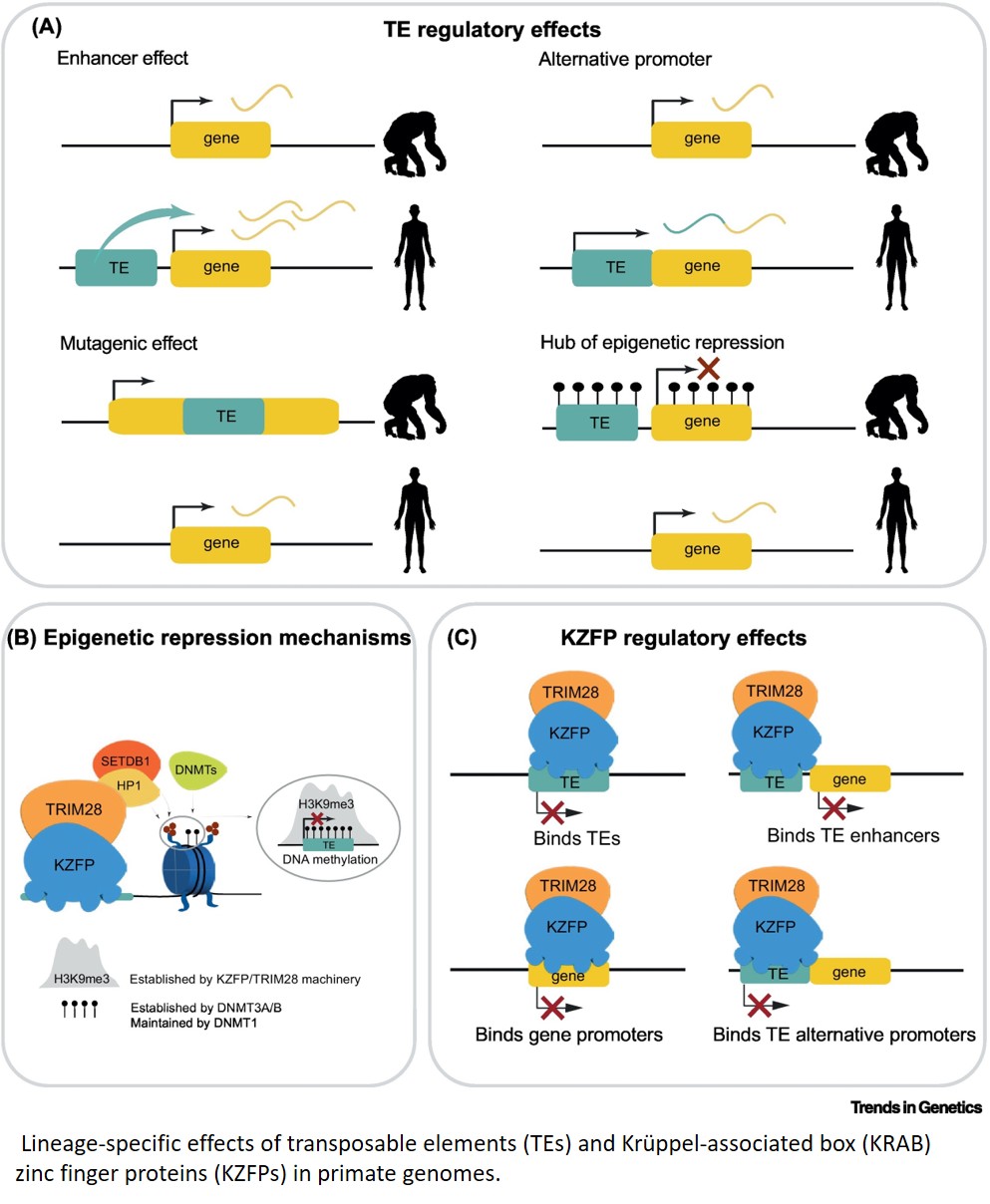
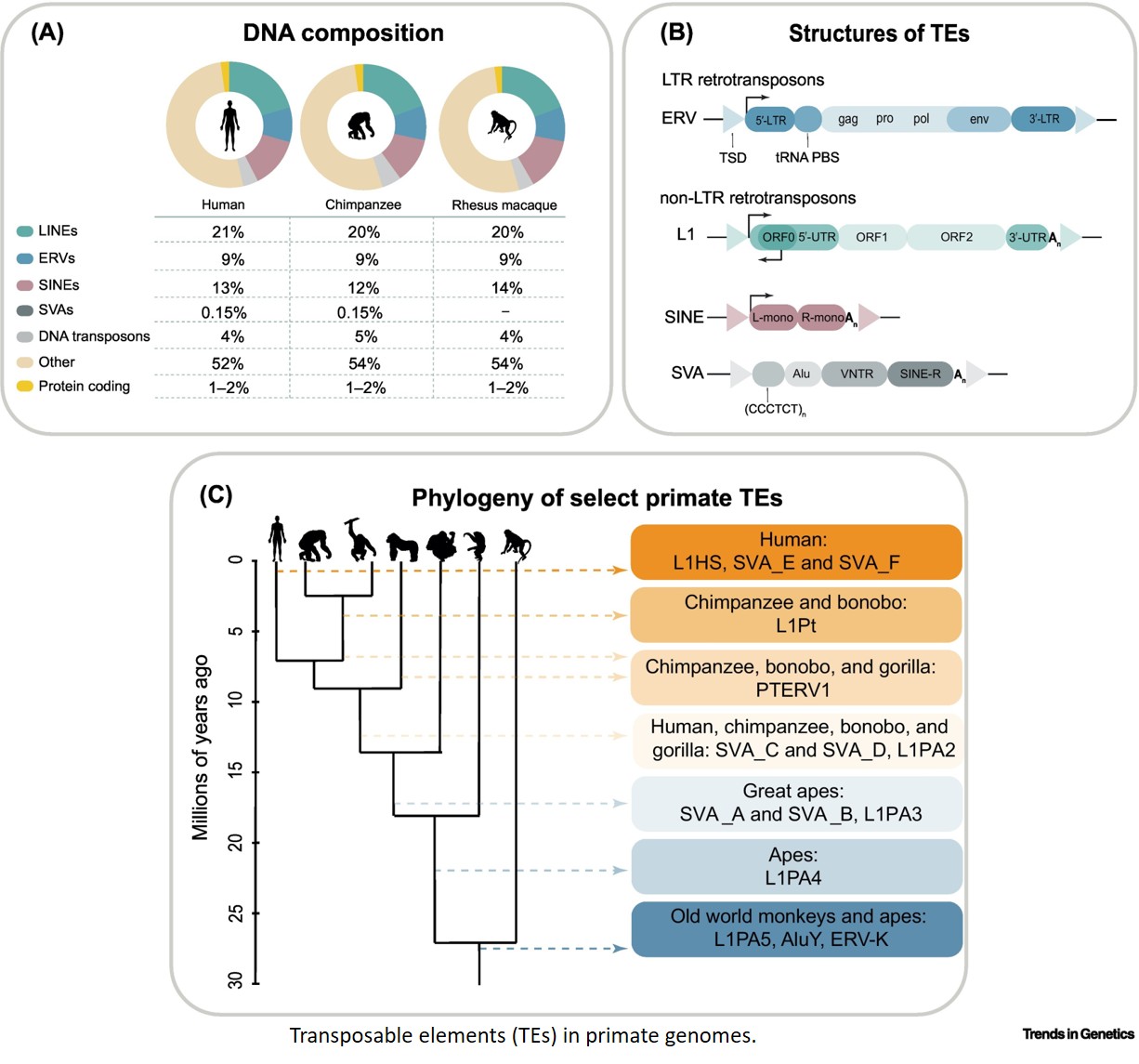
Primate genomes contain large numbers of lineage-specific transposable elements that provide raw material for regulatory innovation in the brain.
Studies that compare humans with other primates are beginning to separate human-specific transposable element activity from older transposable element-related changes that are shared with primates or hominoids.
Long-read sequencing, single-cell multiomics, brain organoid models, and CRISPR-based genome editing are transforming locus-resolved analysis of transposable elements.
Recent functional studies show that some transposable element-derived promoters, long noncoding RNAs, and Krüppel-associated box zinc finger protein-regulated loci can directly influence neural developmental trajectories.
Key challenges include locus-resolved mapping, causal perturbation of individual transposable element insertions, and limited genomic and cellular resources in nonhuman primates.
#sciencenewshighlights #ScienceMission
https://www.cell.com/trends/genetics/fulltext/S0168-9525(26)00271-4
https://sciencemission.com/transposable-elements