

Ageing drives inflammation in cardiovascular disease
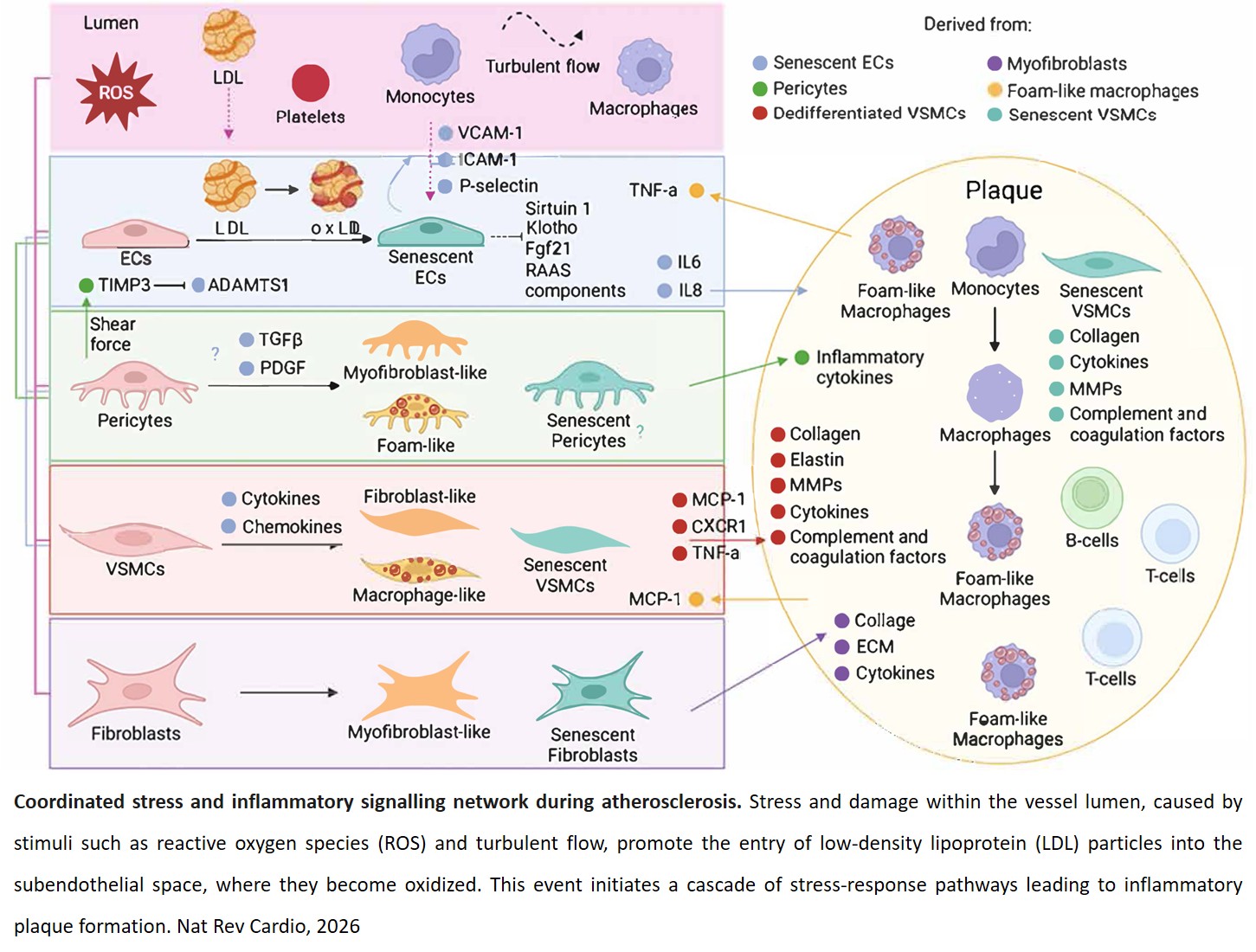
The researchers in this review argue that inflammation is not the primary cause of cardiovascular disease (CVD), but rather a failed biological cleanup response to cumulative, age-related molecular damage.
As we age, our intrinsic repair tools break down. When molecular damage is left unrepaired, the inflammatory response stays permanently active. It becomes dysregulated and chronic, shifting from a protective mechanism into a destructive force that damages the vascular system.
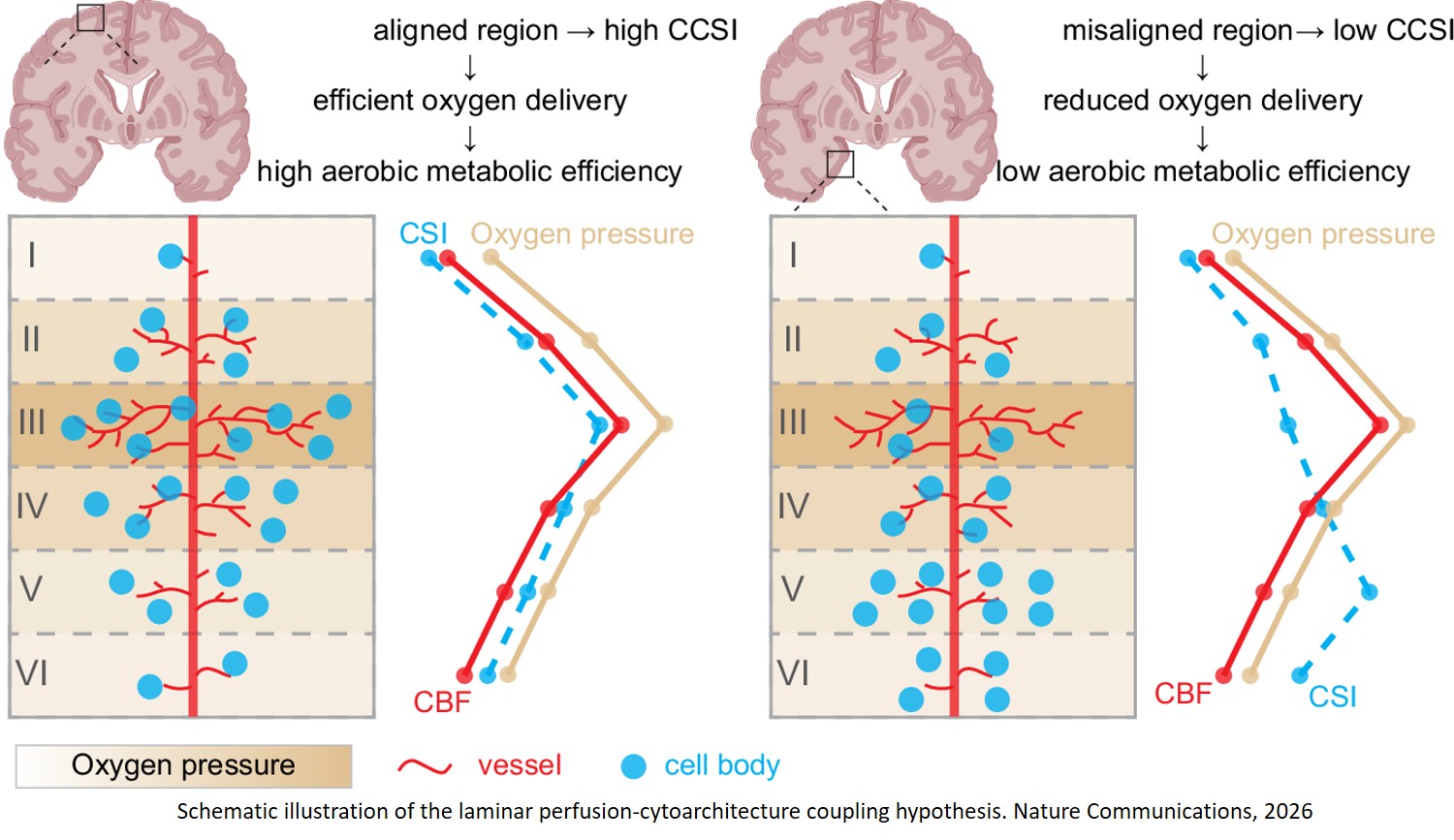
In cardio vascular system, persistent, un-cleared molecular damage continually triggers the innate immune system, leading to the chronic arterial plaque buildup known as atherosclerosis. Aging also causes a failure in vascular regulation. This leads to repeated bouts of low blood flow (hypoperfusion), creating massive energy deficits and tissue scarring (fibrosis), which further accelerates molecular degradation.
The authors demonstrates that established CVD biomarkers—like growth/differentiation factor 15 (GDF15) and fibroblast growth factor 23 (FGF23)—measure far more than generic inflammation. Instead, they act as warning lights for cell death (cellular senescence), failing protein stability (loss of proteostasis), and structural breakdowns in the tissue matrix. Treating heart disease by simply blocking inflammation is akin to turning off a smoke alarm while the fire is still burning. By shifting focus upstream to bolster the body's cellular repair and resilience mechanisms, scientists hope to unlock new targeted therapies to prevent and treat CVD before irreversible tissue failure takes hold.
https://pmc.ncbi.nlm.nih.gov/articles/PMC12951825/
https://sciencemission.com/inflammation-in-cardiovascular-disease