


Lung fibrosis from a bacterial protein fragment
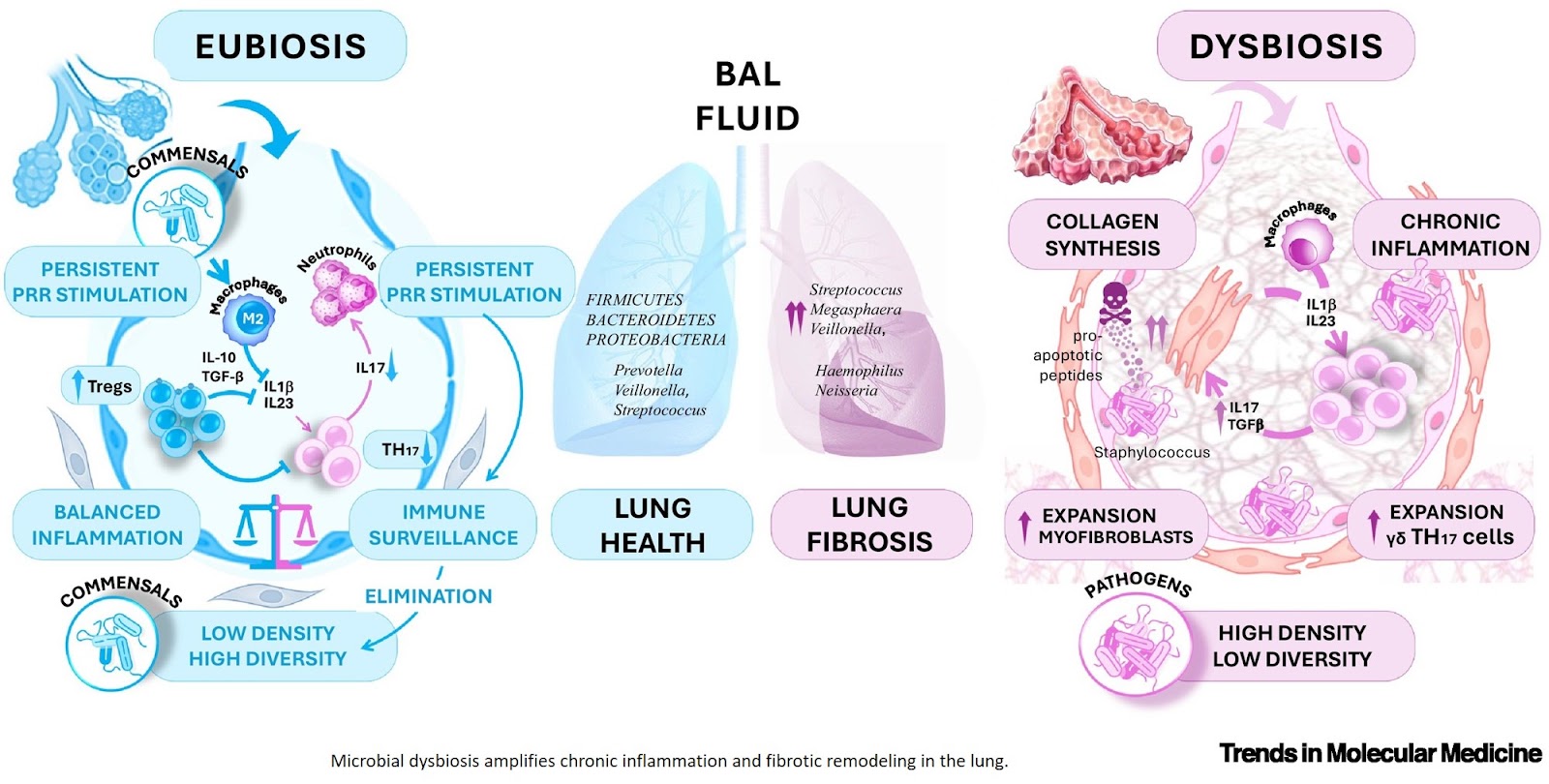
A bacterial protein fragment called corisin drives the process of pulmonary fibrosis by infiltrating and disrupting the cell’s quality-control system, researchers found in a new study. Meanwhile, blocking corisin with an antibody impeded the damage.
“One of the most important principles in medicine is that understanding how a disease develops is the key to discovering better treatments. Our findings move corisin from being simply an intriguing bacterial peptide associated with fibrosis to a mechanistically defined, biologically active and causally supported driver of disease — and importantly, a promising therapeutic target,” said the study lead author.
Tissue fibrosis is a process by which healthy tissue is progressively damaged or killed and replaced by scar tissue. It can happen in the lungs, kidneys, liver, heart, skin and other organs, and fibrosis contributes to nearly half of all deaths in developed countries, the author said.
In 2020, the team identified corisin, a peptide fragmented from a protein produced by bacteria that are a natural part of the human gut microbiome, as having the ability to kill lung cells and advance pulmonary fibrosis. Yet the questions remained of how it reaches the lungs and whether it directly drives fibrosis or merely exacerbates it. Though further study found that corisin can travel from the gut through the bloodstream, the authors decided to investigate whether corisin also could be produced in the lungs by bacteria residing in the respiratory tract.
The team analyzed samples of fluid from the lungs of patients with pulmonary fibrosis, collected at a hospital in Japan as part of their routine clinical care, as well as some collected during acute episodes of worsening disease, and compared them to control samples from healthy volunteers. They found corisin-related bacterial DNA in the fluid, the first evidence that the peptide-producing bacteria were present in the lungs.
Next, the researchers removed corisin from the patient fluid samples using an antibody they developed. The corisin-free fluid lost its lethal effects when applied to healthy cell cultures.
“This demonstrated that the corisin present in patients is biologically active and capable of directly damaging lung cells,” the author said. “Specifically neutralizing corisin with the antibody largely protected the cells from injury.”
The researchers then set out to understand how corisin damages lung cells. They found that once the peptide infiltrates the cells lining the lungs, it accumulates in the mitochondria, an organelle responsible for producing energy and for quality control of the proteins made by the cell’s machinery. Corisin disrupts this quality-control system, triggering oxidative stress, premature cellular aging, cell death and scarring.
To further cement that fibrotic effects can come from corisin produced locally in the lungs, rather than peptides that had traveled from the gut through the bloodstream, the researchers engineered mice to continuously produce corisin in their lungs. The mice spontaneously developed pulmonary fibrosis, with no outside bacterial source of the peptide.
“Our experiments also revealed that corisin is remarkably potent. Corisin produced naturally exerts its harmful effects at extremely low levels. This tells us that even tiny amounts of native corisin are sufficient to trigger significant biological effects, making it directly relevant to human disease rather than simply an experimental observation,” said the author.
However, when treated with the researchers’ corisin-binding antibody, the mice showed significantly reduced pulmonary fibrosis, decreased disease severity and improved survival.
The researchers published their findings in the journal Nature Communications.
“Together, these results provide compelling proof of concept that neutralizing corisin could represent an entirely new therapeutic strategy for pulmonary fibrosis and, potentially, fibrotic diseases affecting other organs,” the author said.
The researchers plan to continue refining treatment options related to their antibody, for which they have a patent pending, to block corisin before it enters cells. They also plan to explore therapies designed to restore protein quality or protect mitochondria as alternate pathways to interrupt the disease process.
“Although much more work is needed before these discoveries can be translated into clinical treatments, we believe they provide a strong scientific foundation for an entirely new therapeutic strategy,” the author said.
https://www.nature.com/articles/s41467-026-76162-7
https://sciencemission.com/Corisin-induces-proteostasis-stress