



Multi-Omic Evaluation of Glycosylation Restoration Therapy in SLC35A2-CDG
Annual Clinical Genetics Meeting, March 2026
Andrew C. Edmondson, MD, PhD, FACMG, Assistant Professor of Pediatrics, University of Pennsylvania, Andrew C. Edmondson, MD, PhD, FACMG, Joy Han, N/A, Kishore Garapati, MBBS, PhD, Earnest James Paul Daniel, PhD, Bobby G. Ng, MS, Hudson Freeze, PhD, Miao C. He, PhD, Akhilesh Pandey, MD, PhD
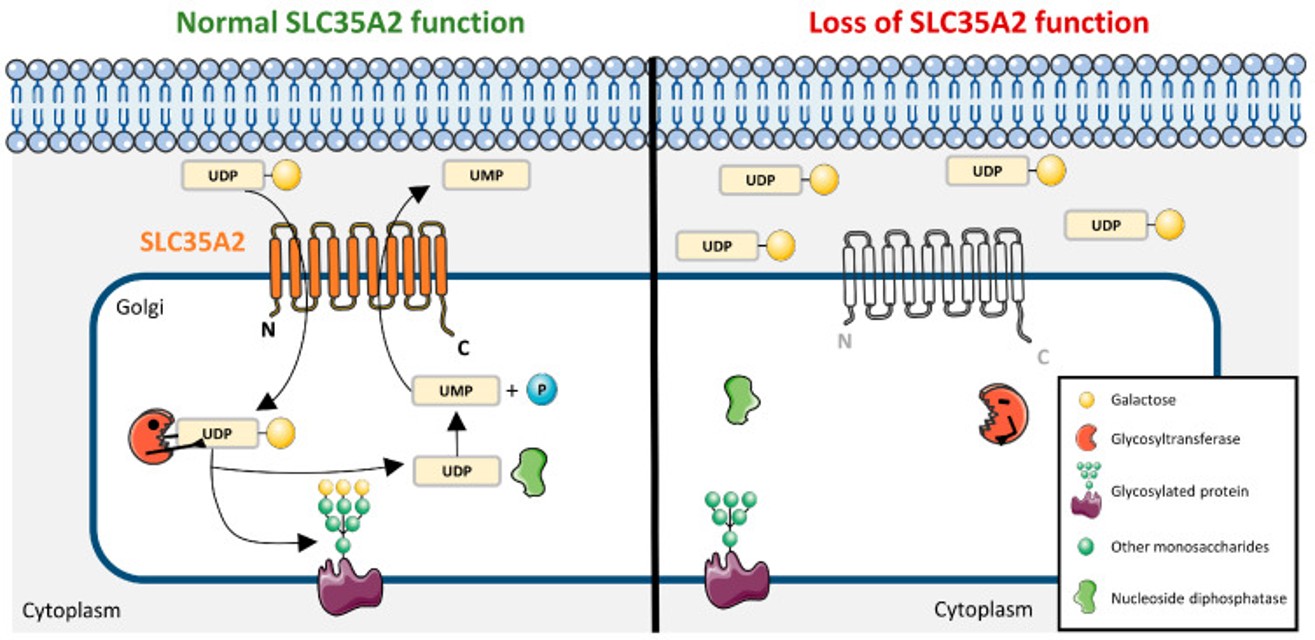
Introduction: Congenital Disorders of Glycosylation (CDG) are rare metabolic genetic disorders that disrupt cellular glycosylation process. SLC35A2-CDG is a dominant X-linked condition with de novo pathogenic variants in SLC35A2 impairing galactose transport into the Golgi. Patients present with a wide range of clinical manifestations, including developmental delay, infantile epileptic encephalopathy, and failure to thrive. We previously reported that exogenous galactose supplementation may partially overcome the deficiency in galactose transport, functioning as a Glycosylation Restoration Therapy (GRT), and results in clinical and biochemical improvement in SLC35A2-CDG. In order to obtain a more comprehensive understanding of the impacts of GRT in SLC35A2-CDG, we undertook a multi-omic evaluation of patient plasma and patient-derived fibroblasts (to simulate cellular and tissue effects) before and after GRT.
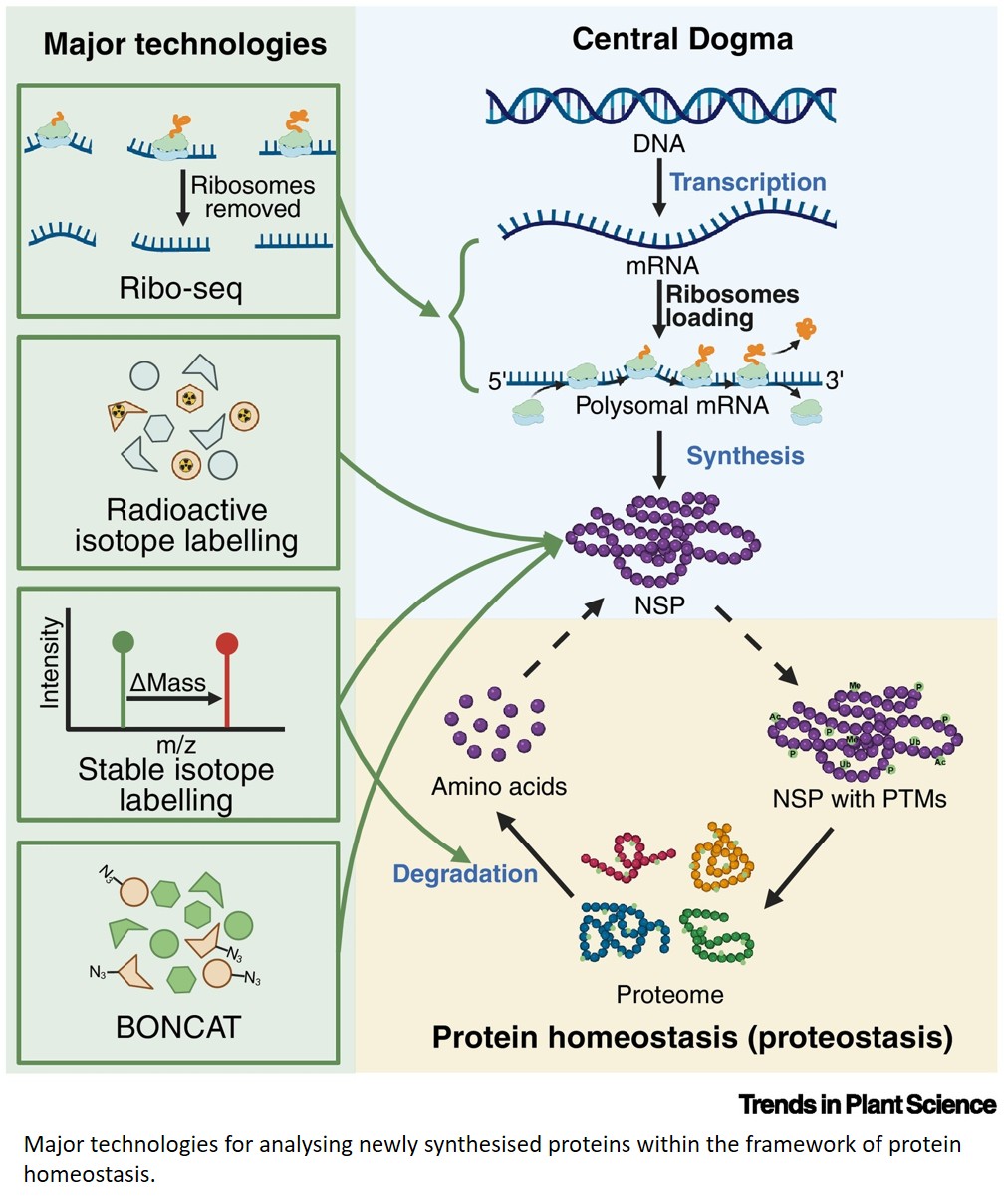
Methods: Patient-derived SLC35A2-CDG and control fibroblasts grown with and without galactose supplementation and aliquots of biobanked patient plasma before and after GRT served as sample material for mass spectrometry-based multi-omic analysis, which included proteomics, glycoproteomics, phosphoproteomics, glycomics, and lipidomic analyses.
Results: Evaluation of baseline samples demonstrated broad disruption in galactose-containing macromolecules, including on glycomic, glycoproteomic, and glycolipidomic analyses. In the patient samples assessed, GRT decreased but did not entirely normalize galactosylation defects with glycolipid abnormalities more impacted than glycoproteomic abnormalities.
Conclusion: Our multi-omic evaluation of GRT in SLC35A2-CDG demonstrates broad impacts of deficient Golgi galactose transport on glycoproteins and glycolipids that are only partially corrected with galactose supplementation. These studies suggest additional interventional strategies will be required to correct biochemical deficits in patients. Our multi-omic evaluation also provides the most comprehensive view to date of biochemical disruption in SLC35A2-CDG, providing additional insights into potential pathogenic mechanisms in SLC35A2-CDG.