

Symptom provocation studies in anxiety-related disorders
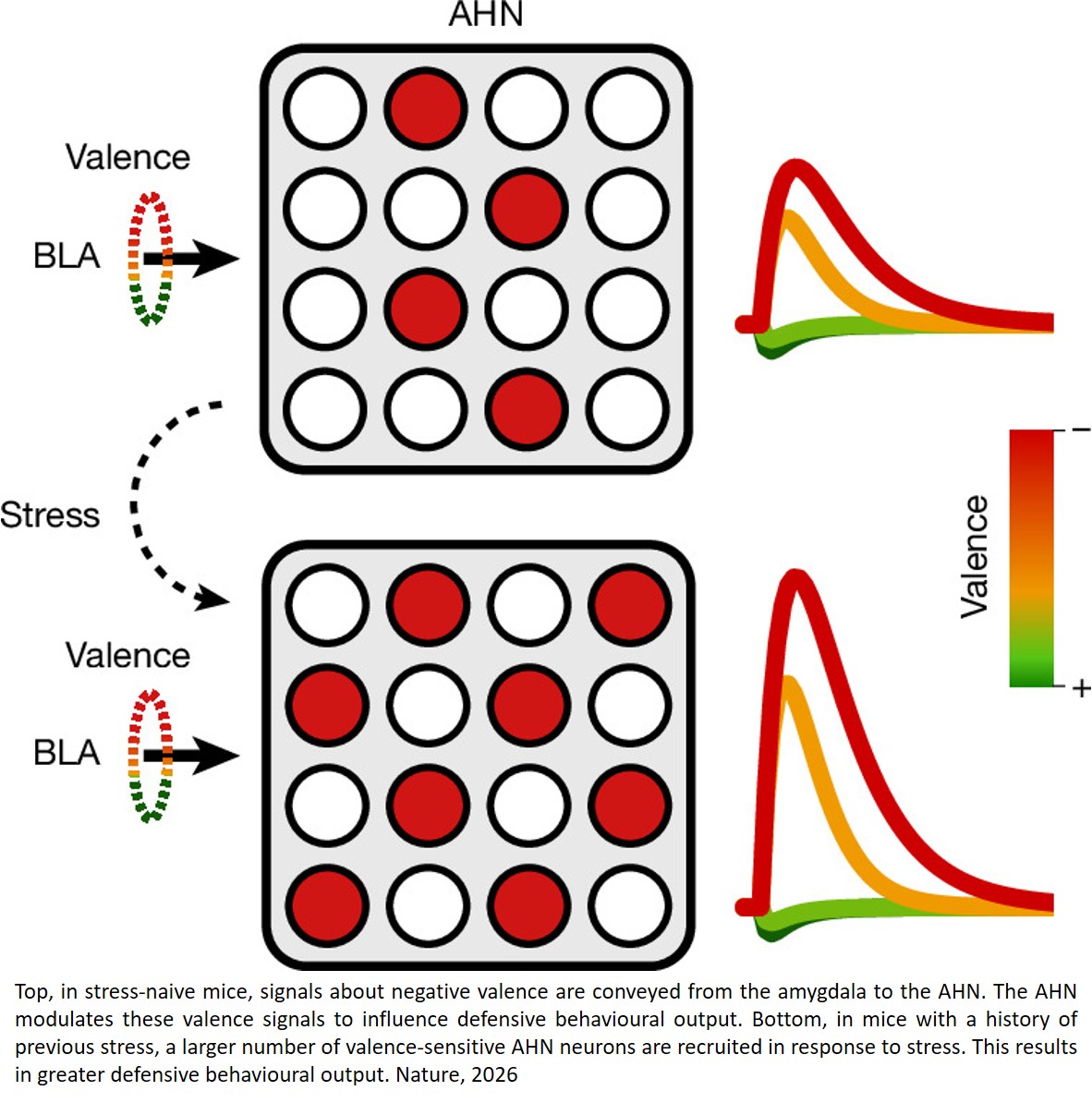
Symptom provocation paradigms are experimental methods for deliberately eliciting anxiety- or stress-related symptoms to provide insights into underlying psychological and neurobiological mechanisms.
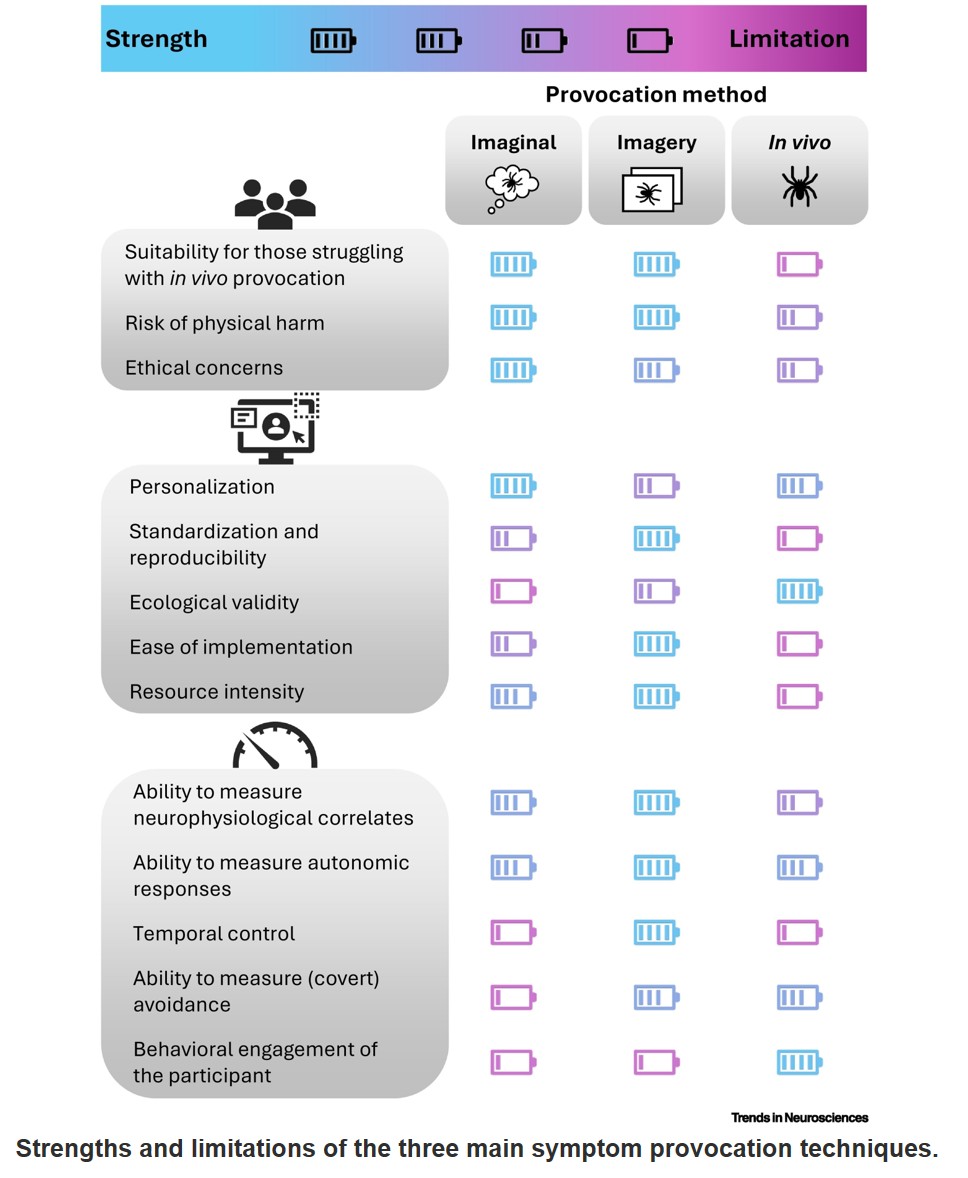
Different types of symptom provocation for anxiety-related disorders exist, including imaginal, imagery-based, and in vivo provocation, each with distinct strengths and limitations, which require careful consideration during study design.
Advances in neuroimaging and psychophysiology enable precise measurement of responses to symptom provocation, allowing simultaneous and comprehensive assessment of cognitive, emotional, behavioral, and neurobiological processes.
Emerging technologies, including virtual reality, wearable sensors, and artificial intelligence-generated stimuli, can enhance ecological validity, personalization, and reproducibility of symptom provocation research.
https://www.cell.com/trends/neurosciences/fulltext/S0166-2236(26)00030-5