


Anti-seizure drug fights aggressive childhood brain tumors
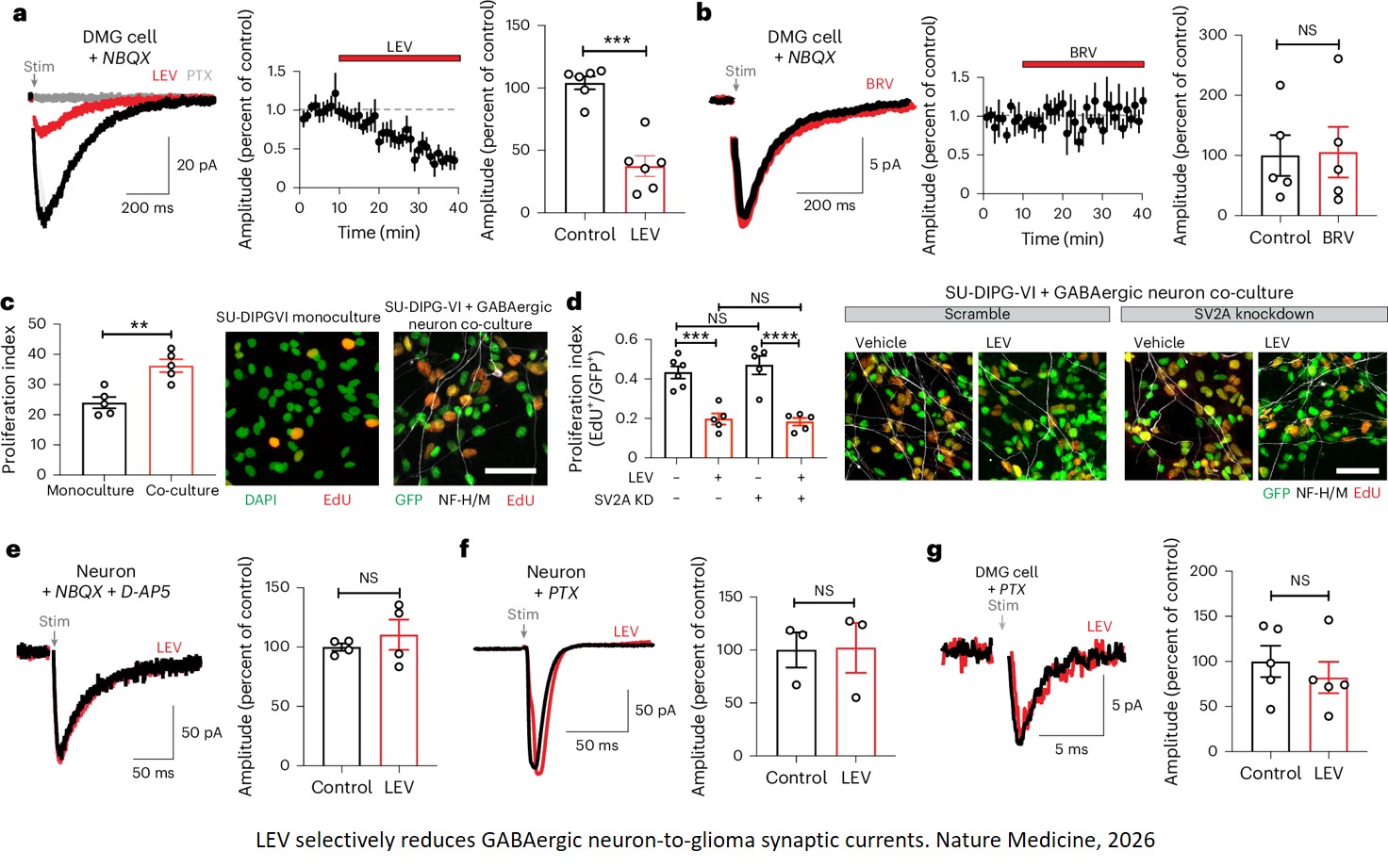
The study which was published in Nature Medicine, showed that a medication called levetiracetam slows the tumors’ growth by unplugging their electrical connections to healthy neurons.
In addition, data from medical records of diffuse midline glioma patients who received levetiracetam showed that they lived longer, on average, than those who did not. The researchers are now planning clinical trials to further test how well the drug works.
“This is very exciting for a disease that has had so few treatment options,” said the senior author.
“This drug pharmacologically severs an important connection between cancer and the nervous system,” the author said. An especially promising part of the new findings was the discovery that levetiracetam acts through a different mechanism in cancer cells than in healthy cells, increasing the chance that the drug can attack the cancer without disrupting healthy cell function.
Diffuse midline gliomas use signals from healthy brain cells that reach them via cell-to-cell electrical connections called synapses to fuel their malignant growth, prior research found. One synapse type that powerfully drives the growth of diffuse midline gliomas are GABAergic synapses. The discovery was made in diffuse intrinsic pontine glioma, aka DIPG, a deadly type of midline glioma that grows in the brain stem.
Brain tumors tend to cause seizures, so some patients receive anti-seizure drugs. Levetiracetam, also known by the brand name Keppra, reduces excess excitatory signaling between healthy neurons. It is often given to brain tumor patients experiencing seizures or to prevent seizures because it has few side effects and does not interact with other medications.
Some previous studies suggested that brain tumor patients who received levetiracetam might live longer than those not taking the drug, but results were mixed. To explore the idea, the team used medical record data from 218 pediatric brain tumor patients who had been treated at two academic medical centers. All patients had high-grade gliomas, aggressive tumors originating from the central nervous system’s glial cells, but not all tumors originated in the same locations.
When the data was analyzed based on the type and location of the tumors, the scientists found that levetiracetam was linked to longer survival in patients with diffuse midline gliomas — high-grade gliomas that originate in the brain stem, thalamus or spinal cord. But patients with hemispheric high-grade gliomas, which began in other parts of the brain, did not survive longer when taking the drug. The researchers decided to further study how the drug behaves in these two kinds of tumors.
The researchers followed up with a series of experiments in animal models. In mice with diffuse midline gliomas grafted from human patients, levetiracetam slowed the growth of the malignant cells. However, in mice with hemispheric high-grade gliomas like glioblastoma, the drug did not slow the tumors’ growth.
The researchers demonstrated that levetiracetam blocked electrical signals from nearby neurons to the diffuse midline glioma cells through GABAergic synapses. This was surprising, because levetiracetam does not affect GABAergic synapses in healthy neurons. Hemispheric high-grade gliomas, which the team previously found did not have the same type of GABAergic synapse, also were not affected by levetiracetam.
Interestingly, the medication does not operate in diffuse midline gliomas via the molecular mechanism that quells seizures in noncancerous brain cells, the researchers showed. The exact pathway of the tumors’ response to levetiracetam in the tumors is still unknown; the team is continuing to investigate it.
“What’s really interesting is that this is tumor-specific,” the author said. The unique activity in tumors holds promise for attacking cancer without disrupting healthy neurons, she said. The team is launching a clinical trial of levetiracetam for patients with the tumors.
Although hemispheric high-grade gliomas do not respond to levetiracetam, other research from the team has shown that the drug reduces growth of certain tumors that start in other parts of the body and metastasize into the brain. A paper published last year found that levetiracetam slows the growth of small cell lung cancer that has spread to the brain; the researchers are now investigating whether it works on other cancers that move into the brain. The work has potential to unlock new treatments for a phase of cancer’s spread that has been very difficult to treat.
“It’s incredibly important to study these childhood cancers that take the lives of hundreds of kids, just in the U.S., every year,” the author said. “Not only for their sake, but also because what we learn in these relatively rare childhood brain cancers can inform our knowledge of much more prevalent adult cancers.”
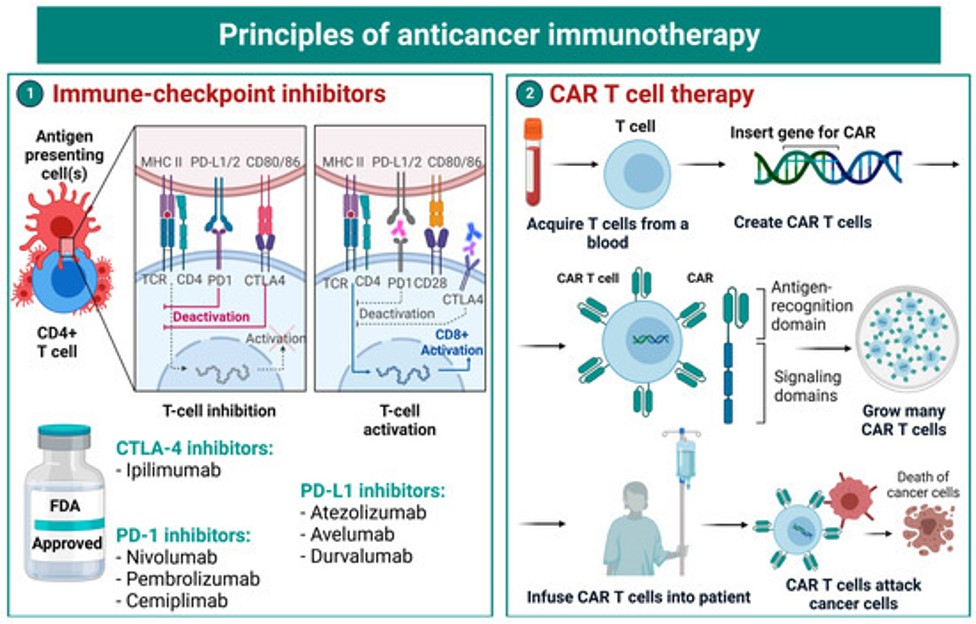
Although levetiracetam alone is unlikely to cure aggressive brain tumors, the author believes it could be a helpful tool to combine with other forms of cancer therapy. In a clinical trial of children with diffuse intrinsic pontine glioma and other diffuse midline gliomas, the lab is studying CAR-T cells, immune cells engineered to attack the brain tumors, a strategy that is showing promise.
“You can think of immunotherapy as a footrace between the tumor and the immune cells,” the author said. “We want the immune cells to get ahead of the tumor. Our new data shows that levetiracetam slows the tumor down.”
The research is also a great example of how knowledge of cancer neurobiology enables researchers to test existing neurological and neuropsychiatric drugs against tumors, the author said.
“These repurposed neurologic drugs hit the very mechanisms the cancers are hijacking,” the author said. “That makes for a very important and promising area of therapy, with a low bar to implement, because we already know the drugs’ safety profiles and they’re already designed to get into the brain.”