

Targeting nonclassical MHC-I molecules
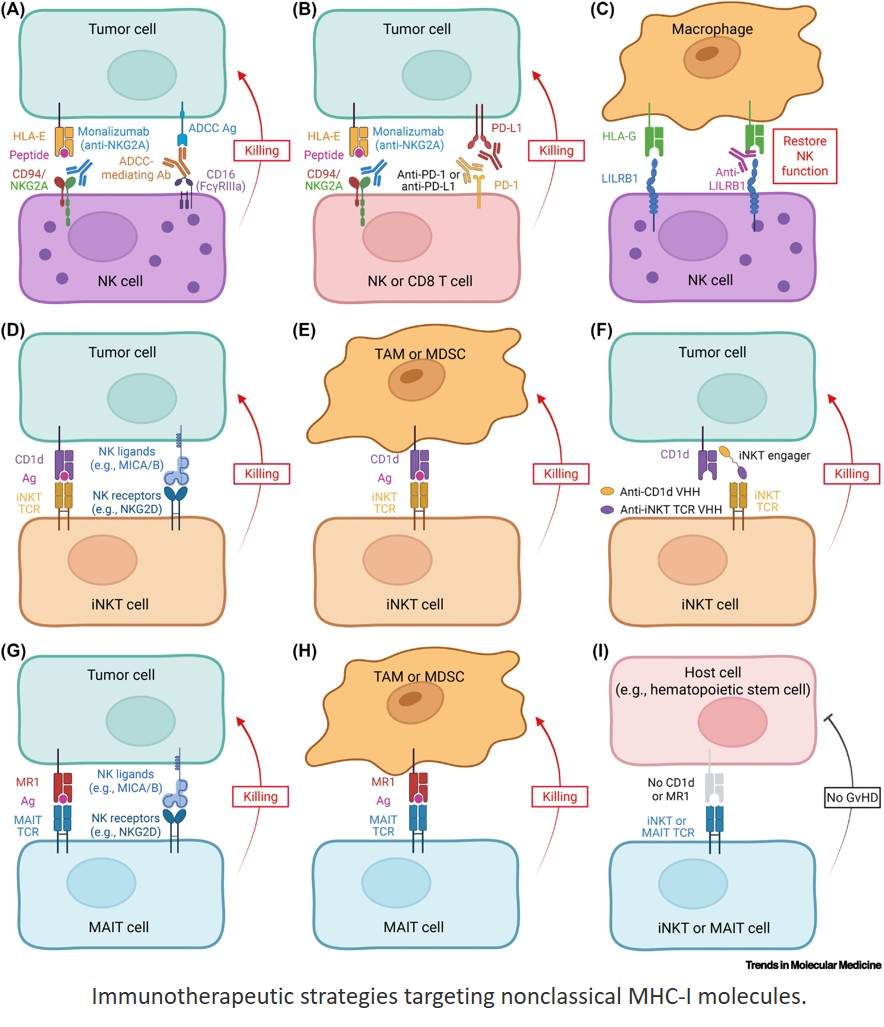
Nonclassical major histocompatibility complex class I molecules (human leukocyte antigen E, human leukocyte antigen F, human leukocyte antigen G, major histocompatibility complex class I-related protein 1, and the CD1 family) have emerged as key regulators of immune surveillance with limited polymorphism and specialized antigen repertoires.
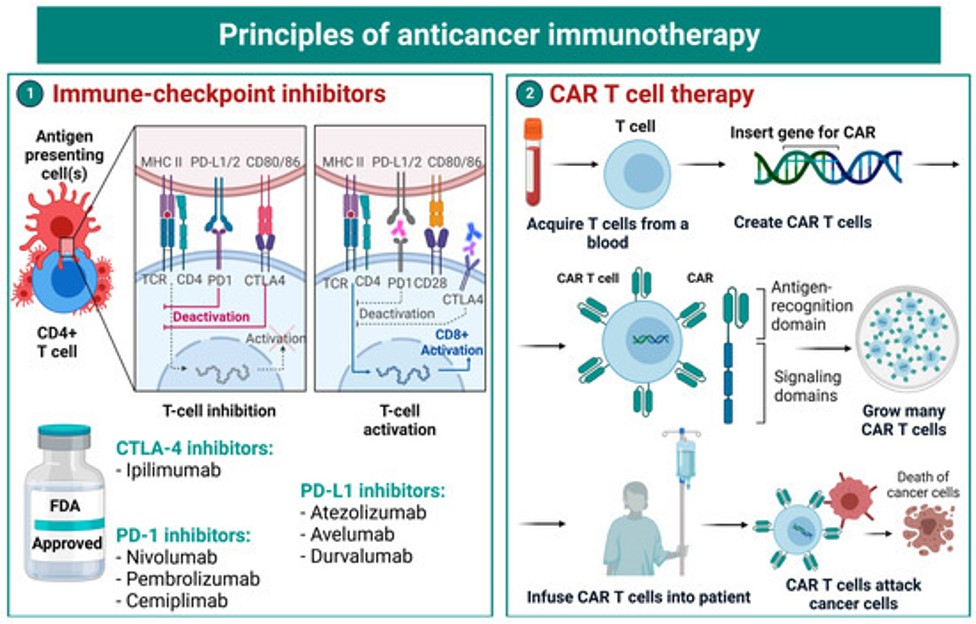
Tumors and chronic infections exploit human leukocyte antigen E/natural killer cell group 2 member A and human leukocyte antigen G/leukocyte immunoglobulin-like receptor axes to suppress natural killer and CD8+ T cell function, motivating new checkpoint blockade strategies.
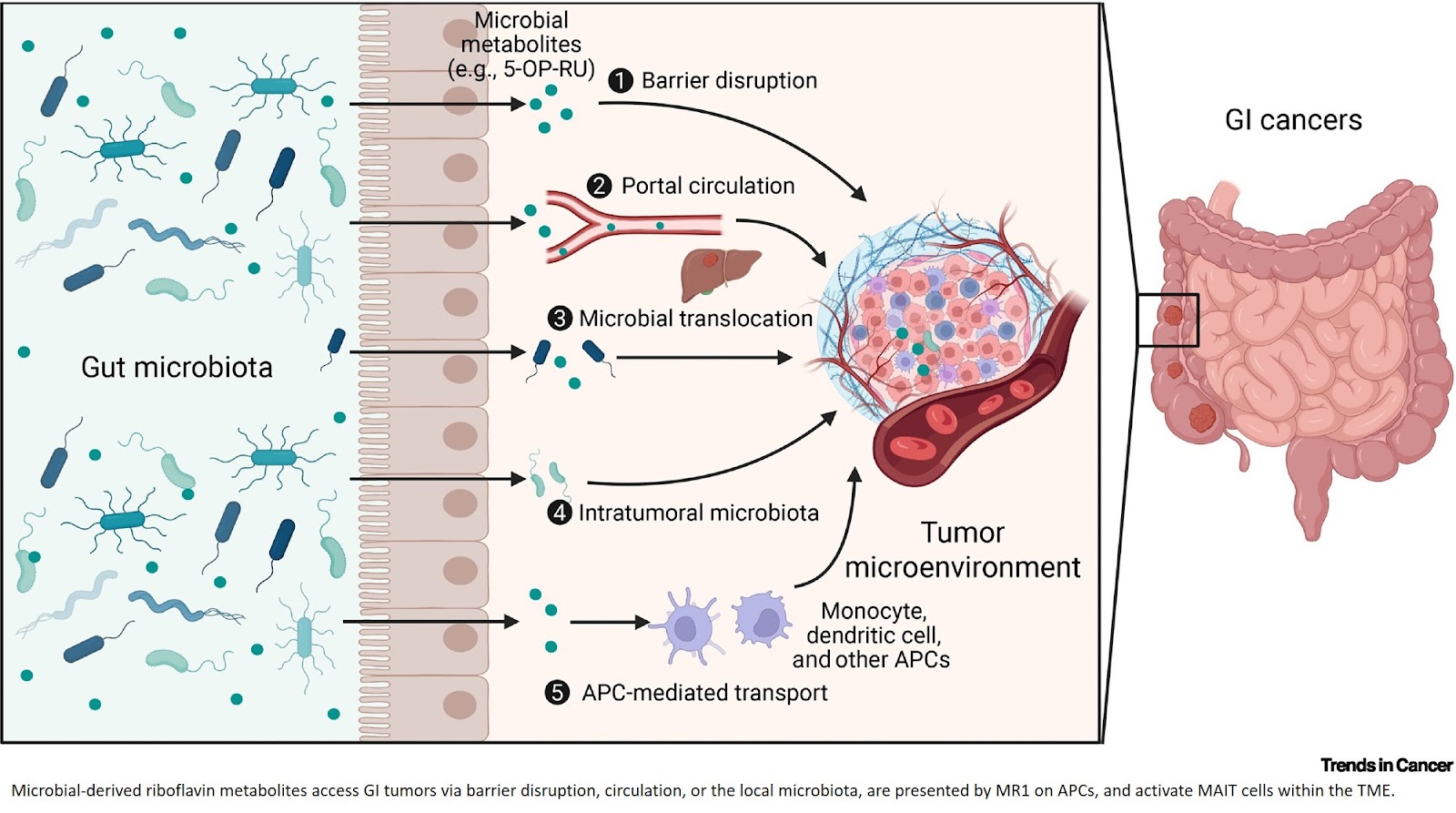
Major histocompatibility complex class I-related protein 1- and CD1-restricted T cells, including mucosal-associated invariant T cells and invariant natural killer T cells, recognize conserved metabolite and lipid antigens and bridge innate and adaptive immunity.
Engineered cellular therapies, bispecific engagers, and combination strategies targeting nonclassical major histocompatibility complex class I pathways are advancing translational immunotherapy.
https://www.cell.com/trends/molecular-medicine/fulltext/S1471-4914(26)00182-6