



Kidney injury repair using a humanized monoclonal antibody
A drug previously developed at UCLA to help heart tissue repair itself after a heart attack might also help kidney tissue repair and regenerate, researchers have found.
The drug, called AD-NP1, which was recently approved by the FDA for a Phase 1 clinical trial in humans, works in heart tissue by blocking a protein that disrupts healing and prevents internal organs from fully recovering. Researchers have now found that blocking this protein in kidney tissue speeds repair after kidney injury in mice.
The new finding, published in Cell Stem Cell, builds upon many years of research.
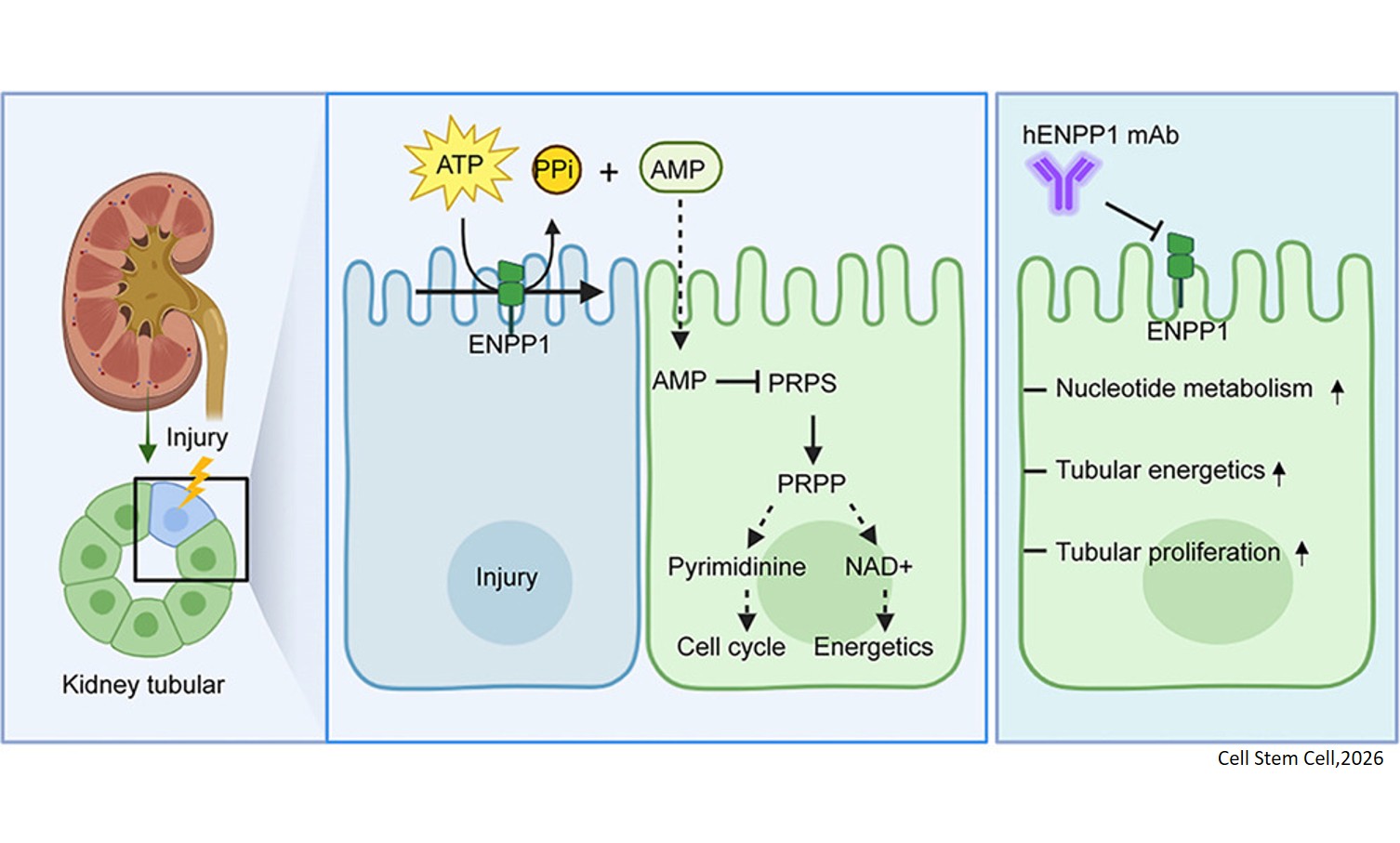
The group discovered that an injured kidney produces a protein called ENPP1 that initiates a metabolic chain of events, disrupting energy production and function of multiple cells in the injured region, impeding tissue repair. The researchers found that blocking ENPP1 enhanced kidney repair and reduced scar tissue formation, thereby improving kidney function. The group previously determined that blocking ENPP1 in heart tissue improved healing.
The team examined kidney biopsies from people with chronic kidney disease and found that ENPP1 was expressed at higher levels than in healthy tissue. Next, they fed mice a diet toxic to the kidneys and administered drugs that cause kidney damage to normal mice and mice with genes knocked out for producing ENPP1. Blood tests showed that these mice all had significant increases in serum creatinine, BUN and cystatin C, which are signs of renal dysfunction. But after four weeks, these levels were greatly reduced in mice unable to produce ENPP1 compared with control mice, indicating that their kidneys were healing.
Having confirmed that blocking the metabolic cascade caused by ENPP1 improved renal repair, the researchers induced kidney damage in normal mice and administered their drug, AD-NP1. Just seven days later, the mice showed improved kidney function, and subsequent inspection of their kidneys revealed less scarring.
“These animals had a far better outcome. Their kidneys were not as damaged, and the kidney cells were proliferating more,” said the senior author. “We found that the same mechanisms we observed in the heart were also applicable in the kidney. After injury, healthy cells around the damaged area were trying to proliferate, but the damaged area was sending metabolic signals that prevented the kidney from regenerating and repairing effectively.”
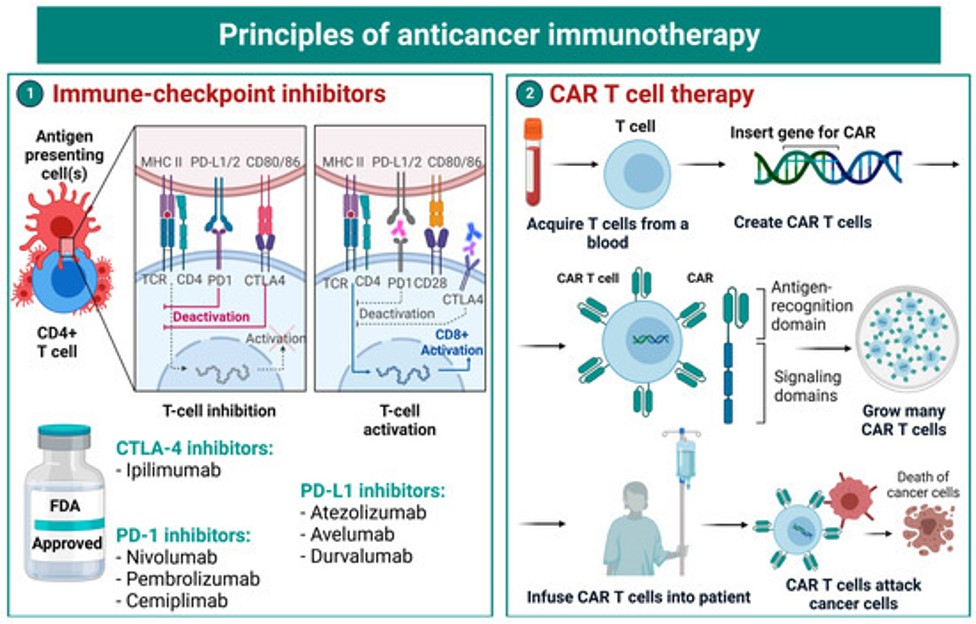
AD-NP1, which the group developed entirely at UCLA with public funding, is a monoclonal antibody engineered in the laboratory to mimic the function of natural antibodies produced by our immune system. Just as our immune system can produce specific antibodies to bind and inactivate specific pathogens, the monoclonal antibody AD-NP1 has been engineered to target human ENPP1 and no other human protein.
The drug was approved for Phase 1 clinical human trials in September for the heart. Phase 1 trials evaluate the safety, dosing and metabolism of new drugs and are the first step toward trials assessing their efficacy. The senior author plans to apply for trials in the kidneys, as well.
https://www.cell.com/cell-stem-cell/abstract/S1934-5909(26)00203-1