

Structure of neuronal epilepsy linked protein unraveled!
Scientists have uncovered the first high-resolution structure of NBCn2, a brain protein linked to epilepsy, autism spectrum disorder, and other neurological conditions, and developed the first compounds capable of inhibiting its activity. The findings provide a new framework for studying how altered brain signaling contributes to disease and may help advance future therapeutic research.
Their findings were published by Nature Communications.
The study focuses on the protein, NBCn2, which helps regulate acid-base balance inside brain cells. Although genetic variants affecting NBCn2 have been associated with multiple neurological disorders, scientists previously knew very little about how the protein worked or how to target it with drugs.
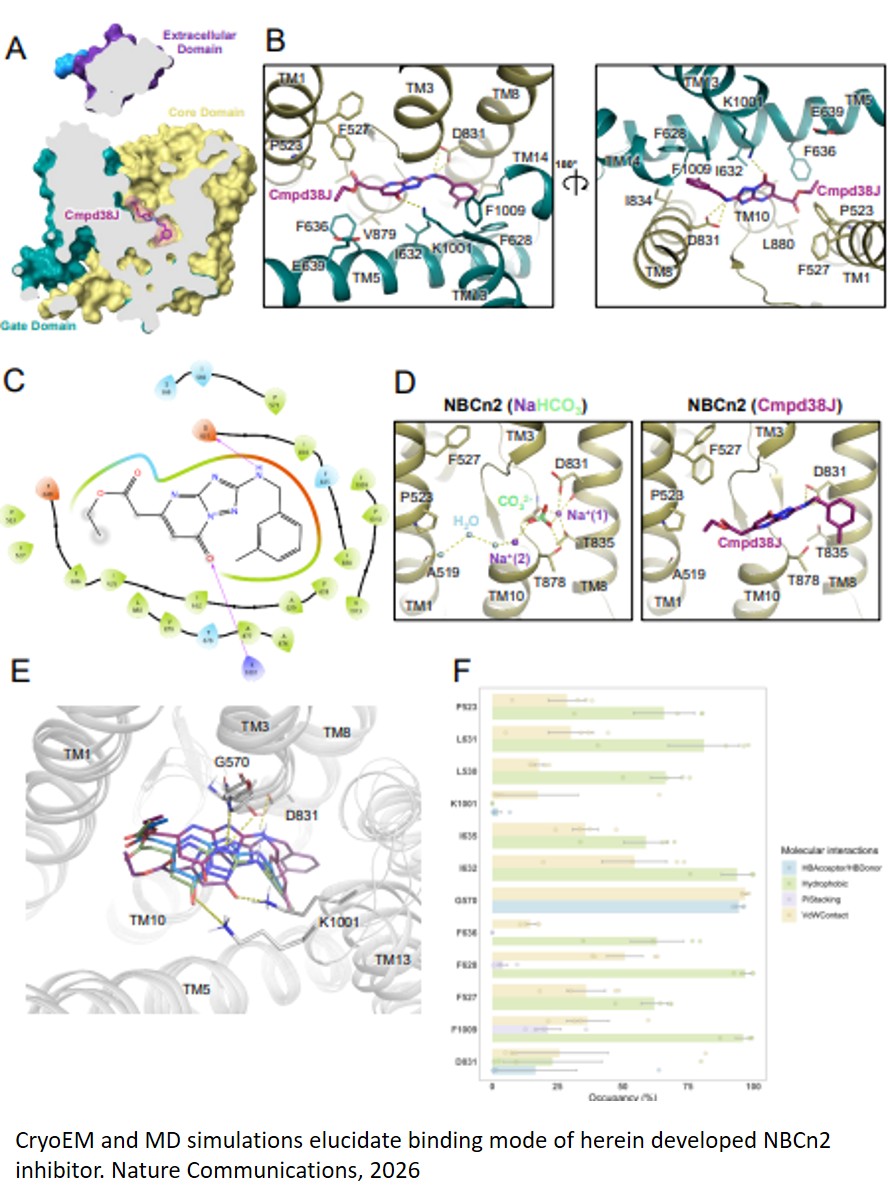
Using cryo-electron microscopy, the researchers captured the first highly detailed structural images of NBCn2, revealing how it transports sodium and carbonate ions, which help regulate cellular acidity, into cells to help control brain cell activity.
“This protein had been largely overlooked, despite clear links to serious neurological disorders,” says senior and co-corresponding author. “We wanted to understand how NBCn2 functions at a molecular level and whether it could become a viable target for future therapies for neurological disorders.”
The team then used the structural data as a blueprint to design and test compounds that could inhibit NBCn2. In experiments using brain cells and brain tissue from mice, one of the compounds reduced electrical signaling between neurons.
“For the first time, we were able to pharmacologically control this transporter and directly observe effects on neuronal activity,” says a co-corresponding author. “That gives us an important starting point for understanding how NBCn2 contributes to brain function and neurological disease.”
In addition to cryo-electron microscopy, the investigators used computer modeling, AI-based structural predictions, and large-scale virtual screening of millions of chemical compounds to conduct the study. Candidate compounds were first tested in cells and then evaluated in neurons and mouse brain tissue using electrical recording techniques.
The researchers also discovered unexpected details about how NBCn2 binds sodium and carbonate ions. The arrangement differed from related proteins, suggesting that even closely related transporters may operate in distinct ways.
“One surprising finding was that NBCn2 uses a substrate binding mechanism we had not seen before in related proteins,” says the first author of this study. “That difference may ultimately help all scientists design more selective drugs in the future.”
The findings could help researchers better study disorders involving excessive neuronal activity, including epilepsy. However, they caution that the compounds developed in the study are early-stage research tools and are not ready for use in patients.
“These compounds are not drugs,” says a co-corresponding author. “Much more work is needed to improve their potency and selectivity and to test them in more complex disease models, including animals and human-derived systems before any therapeutic conclusions can be made.”
The research team plans to continue refining the compounds and studying whether targeting NBCn2 could help reduce seizures or influence other neurological conditions. They also hope the work provides a framework for studying other understudied transporter proteins involved in brain disease across the wider research community.
https://www.nature.com/articles/s41467-026-75444-4
https://sciencemission.com/neuronal-NBCn2