

EVIDENCES OF INTERLEUKIN 20 RECEPTOR A BLOCKADE BY RITONAVIRIN TRIPLE NEGATIVE BREAST CANCER CELLS
SEB ANNUAL CONFERENCE, FLORENCE -2026, CELL BIOLOGY ABSTRACT
Francesca De Amicis (University of Calabria, Italy), Adele Elisabetta Leonetti (University of Calabria, Italy), Ennio Pietramala (University of Calabria, Italy), Stefania Bulotta (University Magna Graecia Catanzaro, Italy), Saveria Aquila(University of Calabria, Italy), Francesca Giordano (University of Calabria, Italy)
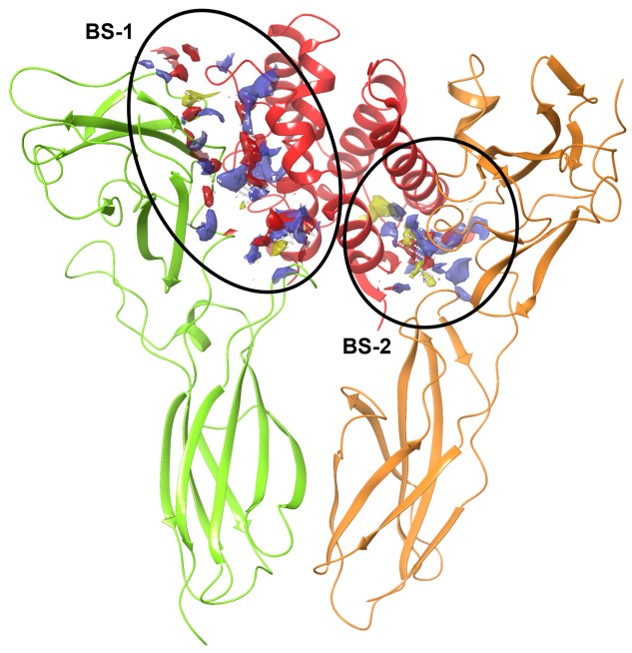
Triple negative breast cancer (TNBC) is a molecular subtype of breastcancers (BC) with high rate of distant metastases and poor prognosis. Novel therapeutic approaches are urgently needed and promising approach is based on the use of compounds able to target the tumor microenvironment. In this concern clinical trials suggest the interleukin (IL) blockade as advanced cancer treatment. Through innovative in silico methods we very recently identified several molecules able to interact with the IL20 receptor subunit alpha (IL20RA), a novel important regulator of cancer development. Among these, we selected Ritonavir, due to its reported therapeutic indications, to investigate its characteristics as IL20RA blocking agent. Here, we show that TNBC cells express elevated levels of IL20RA compared with estrogen receptor positive cells and treatment with different doses of Ritonavir, was able to decrease IL20RA expression in TNBC cells and to block the IL20RAmediated JAK/STAT signaling, but not in MCF10 IL20RA negative cells. Growth assays showed a significant decrease after Ritonavir treatment in a dose dependent manner in TNBC cells, while no inhibitory effect was evidenced in IL20RA negative cells. The autophagy inhibitor 3-MA, blocked the cell viability loss induced by Ritonavir, while the caspase inhibitor Z-VAD-FMK, and a necroptosis inhibitor, did not induce significant changes. The western blotting results further corroborated these evidences, since Ritonavir modulated autophagy-related markers such as Beclin1, p62 and LC3 in TNBC cells. These results suggest further investigation of Ritonavir induced IL20RA blockade as novel potential therapeutic approach for the treatment of TNBC.